


What to know/TLDR:
- Alternate Day Fasting (ADF) alternates between fasting and normal eating days, which can offer similar weight loss and health benefits as daily calorie restriction.
- ADF can improve fat loss, insulin resistance, and heart health, and may work best for those who thrive on structured “on/off” eating days.
- Hydration and nutrient-dense meals on eating days are key for energy, recovery, and sustainability.
- Utilizing tools like fasting apps and connecting with other fasters can make ADF easier by providing reminders, camaraderie, and accountability.
Always speak to your doctor or a registered dietitian before starting a fasting plan, especially if you take medications or have a chronic medical condition like diabetes.
While daily time-restricted fasting (TRE) is the most popular fasting approach, some may seek more structure or flexibility on their eating days. If this resonates, you may consider alternate day fasting, or ADF fasting, a type of fasting that doesn’t have a specific time-restricted component, but instead alternates between eating days and fasting days.
Similar to other fasting methods like time-restricted eating and 5:2 fasting, alternate day fasting aims to allow the body time to rest and repair, where it doesn’t have to put all its efforts towards digestion. Research shows alternate day fasting can provide benefits such as weight loss, improve heart disease risk factors, and reduce markers of inflammation.
This article uncovers how alternate day fasting works and its potential benefits, who it may be for, and expert tips for safety and optimal success.
What Is Alternate Day Fasting?
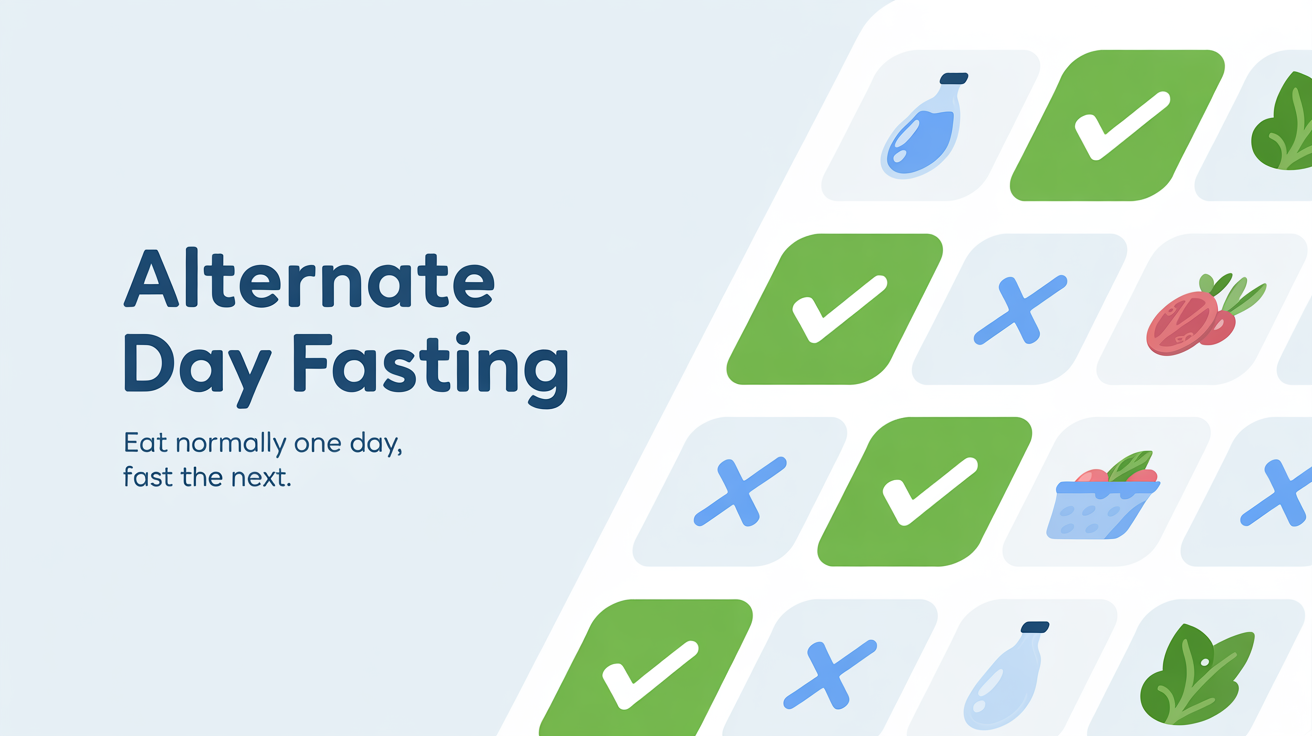
Alternate day fasting (ADF) involves fasting every other day, alternating between “fasting” and “feasting” days. While the classic ADF method requires completely fasting on fasting days, some people follow a modified version. This typically involves consuming 500-600 calories a day on fasting days, and potentially going up to 25% above maintenance calories on feasting days.
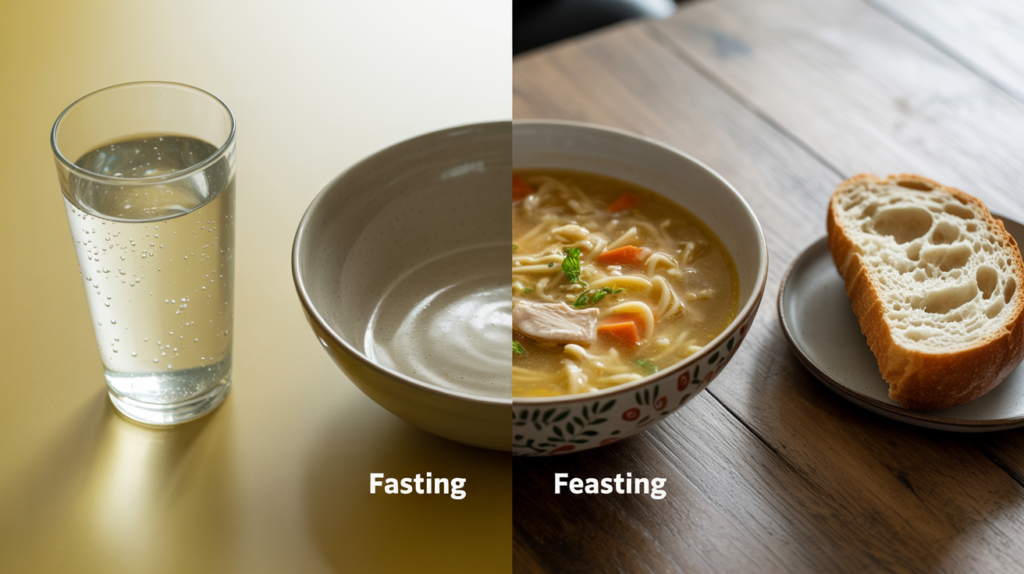
Like other fasting methods, there are no specific rules with ADF on what you can or can’t eat during eating periods. However, as a registered dietitian, I always encourage a healthy, balanced diet for the best results.
Compared to 16:8 time-restricted eating and 5:2 fasting, ADF is often more structured and restrictive, requiring a fast every other day versus only two days a week with the 5:2 method. For this reason, ADF is likely best for a more experienced faster.
When compared to a continuous daily calorie restriction, research shows that benefits such as weight loss and improvements in metabolic markers like glucose and cholesterol are pretty equivalent between both methods. This same research shows these benefits are seen even with a modified ADF schedule, where participants consumed 125% of their calories on eating days and 25% on fasting days.
Because of this, the choice may come down to a matter of personal preference.
Benefits of Alternate Day Fasting
Because ADF involves on and off eating periods, it can allow time for your body to work through important processes for health. Here are a few potential benefits of alternate day fasting, when someone is completely fasting on fasting days.
Reduced insulin resistance
A year-long study followed those on alternate day fasting and compared their levels of insulin resistance to those on a more traditional daily calorie restriction. Those following ADF showed bigger improvements in insulin resistance compared to those who simply cut calories every day, which can lend to better blood sugar management. These benefits were even more impactful in those who already had insulin resistance and could benefit from such an improvement.
Weight loss
In a 4-week study, alternate day fasting produced more body fat loss, particularly in the visceral fat region around the belly. Visceral fat is considered the most dangerous type of fat in the body as it surrounds the internal organs. This higher fat-burning potential is likely due to ADF’s more restrictive nature, resulting in a lower calorie intake in a given week.
Daily check-ins to keep you motivated and accountable.See progress you can feel — and measure.
Heart-protective effects
Alternate day fasting is associated with reduced blood pressure, triglycerides, and increased HDL (the “good” cholesterol) levels. It may improve overall heart health in this way through its connection to lower inflammation, weight, and insulin resistance.
Brain health
Emerging animal studies show the potential for all intermittent fasting methods, including alternate day fasting, for focus and possibly reducing cognitive impairment. Some people anecdotally report improved focus and reduced brain fog while fasting as well.
Longevity potential
Traditional alternate day fasting approaches involve fasting for at least 24 hours every other day. Research has shown that fasting for at least 19 hours can stimulate a cellular repair process called autophagy, which supports overall health, metabolism, and longevity, with potentially greater benefits after the 24-hour mark.
Overall, the health benefits of ADF are pretty comparable to daily calorie restriction, but some find ADF easier to adhere to with “on” and “off” days. In particular, I’ve found that my clients who travel more regularly for work or eat out more frequently tend to appreciate the flexibility of ADF feasting days.
How to Do Alternate Day Fasting Safely
If you’re thinking of trying an ADF approach, here are some key starting points to do it safely.
Start gradually
If you’re completely new to fasting, we’d suggest starting with a TRE approach, such as 14:10 or 16:8 for at least a month or two before transitioning to ADF. When starting ADF, it’s best to adopt a modified version first to help your body adjust before implementing complete fasting days.
A modified version typically looks like 500 calories a day (or 25% or less of your daily calorie needs) on fasting days and a more liberal intake of 125% of your calorie needs on eating days.
Hydrate
Hydration should be a priority during alternate day fasting, especially on fasting days. Dehydration can lead to fatigue, headaches, and weakness more quickly if you are also not eating, and so drinking enough water every single day is essential.
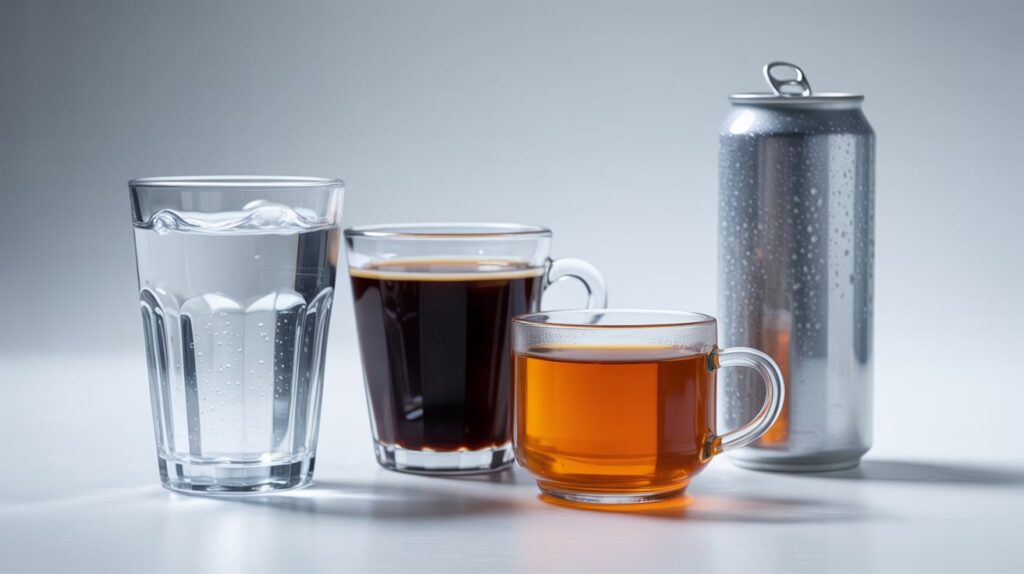
In addition to drinking plenty of water and other calorie-free beverages like seltzer, unsweetened tea, and black coffee, consuming water-rich foods also helps. Think cucumbers, celery, watermelon, apples, and berries, which also provide natural hydration, fiber, and energy on eating days.
Monitoring the color of your urine is a simple way to test your hydration strategy. Dark colored urine is a sign of dehydration, while a light, clear color signals you’re well hydrated.
Prioritize nutrition on eating days
Since you’ll have several complete fasting days each week or will only be eating a small number of calories on fasting days, what you eat on eating days becomes more critical. Prioritize nutrient-rich foods on feasting days to ensure your nutrition needs are met by the end of the week.
Some of the most nutritious options include fatty fish like salmon and tuna, chicken, turkey, lean beef, Greek yogurt, cottage cheese, beans and lentils, nuts, fruits, vegetables, and whole grains like oats, farro, and quinoa.
Additional tips
Focus on nutrient quality, but don’t overeat on eating days. Overdoing it to get you through fasting days will likely backfire and leave you feeling sluggish and unmotivated. When following the modified ADF version, remember the 125% rule on feasting days, where you’ll aim to consume up to 25% above your daily calorie needs, but not much more.
Who It May Be Best For
Here are a few situations where alternate day fasting may be worth considering:
- You are stuck in a weight loss plateau or struggle to stick to a daily calorie restriction, as ADF may offer more flexibility in your weekly meal routine.
- You’re seeking metabolic improvements, such as the case of pre-diabetes or insulin resistance.
- You’re motivated by structure and clear “on” and “off” days so you can plan your week.
When to expect results
While individual results vary, many people experience improvements in weight, body fat, and heart health markers like cholesterol levels within 2-3 months. Compared to TRE, alternate day fasting often produces a larger amount of weight loss in those first few months. Results will likely be more profound in those who are more consistent with their fasting schedule and have fewer days off.
Who Should Avoid It
While alternate day fasting, and any type of fasting can provide benefits, it’s not appropriate for everyone. You may want to steer clear of it if you are:
- Pregnant, trying to conceive, or breastfeeding, as this population has unique nutritional needs
- Have a history of an eating disorder, as diet rules and structure can exacerbate disordered eating behaviors
- Are diagnosed with uncontrolled diabetes, as medications may need to be adjusted or completely stopped on fasting days
- Are taking a glucose-lowering medication, like insulin, without medical supervision
Remember that regardless of your situation, always speak to your doctor and registered dietitian before starting a fasting regimen.
Expert Tips for Success
If you’ve consulted with your doctor and determined alternate day fasting may be of benefit to you, here are a few tips that have proven helpful to my clients to get the most out of this fasting method.
Plan your meals in advance
Meal planning can increase success on any diet plan, but is especially important when you are fasting every other day. Planning ahead on what you will eat on feast days can help prevent overeating by building structure into your day.
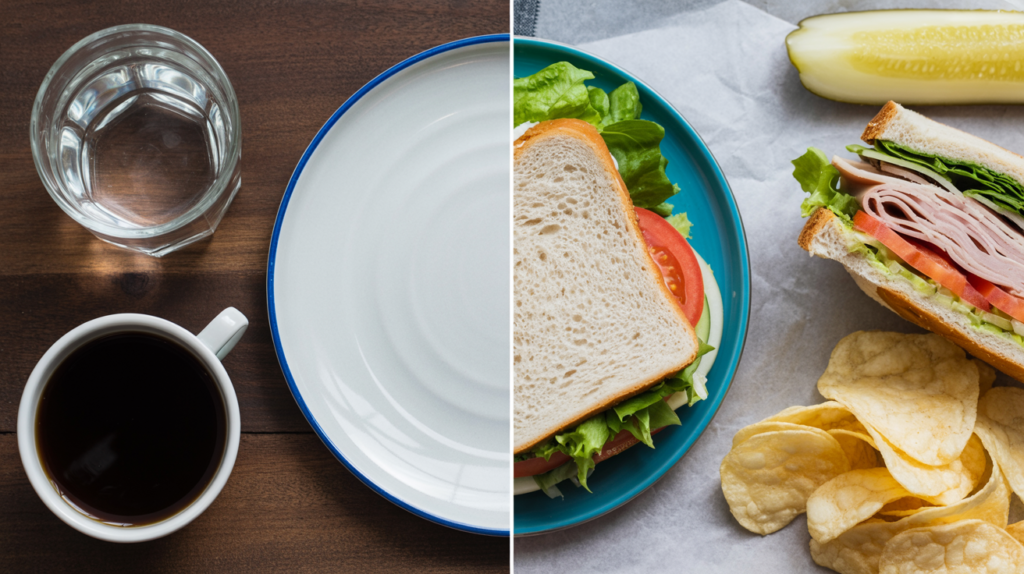
This also enables you to be strategic about what you are eating, as this still matters and will improve your overall success with this eating plan.
You can start by choosing the days you will be eating. Then, you can prep meals and snacks in advance or at least know what you will be having so you’re set up for success. Then once your next feasting day is here, you’ll have balanced meals available to help you feel your best on this plan.
Build a flexible workout plan
Staying active on any fasting plan is essential, but flexibility is also key when it comes to alternate day fasting. You’ll want to plan out your weekly workouts just like you would with your meals, but be flexible about what you do each day, as it can vary depending on whether it’s a feasting or fasting day.
For example, you may need to adjust your workouts on fasting days to gentle walks or stretching when you have less fuel to pull from, and enjoy the higher intensity cardio or heavier weight lifting on feasting days. Planning it out in this way can ensure you build a balanced workout plan for the week and tailor it to your eating schedule.
Manage hunger with hydration
If hunger arises when you’re adjusting to fasting days, you can manage some of this hunger with adequate hydration. On fasting days, make sure to enjoy plenty of calorie-free and sugar-free beverages throughout the day, like water, seltzer, unsweetened tea, and black coffee, to curb hunger and provide energy.
Also, the signs of dehydration can be mistaken for hunger, and so continuously hydrating can help shut off some of these signals.
Utilize tracking tools for support
Having external support for accountability can also help keep you on track in your fasting journey. The Fasting App Tracker & Timer guides you into the fasting plan of your choice, enables you to set your schedule, and creates reminders that keep you engaged. You also gain access to a community of like-minded fasters that can cheer you on and keep you moving forward.
Prioritize consistency over perfection
Perfection in your fasting plan is not the goal⸺consistency is what drives real results over time. So if you miss a day of fasting or overdid it on a feasting day, don’t let it dictate how your entire week will go. Allow yourself the flexibility when life happens and give yourself grace.
Every fasting plan can be modified if needed, and the most important thing is doing the best you can for your body in a way that works for you.
Key Takeaways
Alternate day fasting (ADF) is a unique fasting method that alternates between fasting and normal eating days to improve weight, metabolic health, and longevity. Research supports its benefits in these areas, but what you eat still matters. And since no diet is a one-size-fits-all, it’s essential to consult with your doctor first before starting a new plan.
No matter what fasting method you choose, a focus on nutrient-dense meals and prioritizing hydration will keep you energized and more consistent in your journey. If you are in a weight loss plateau and find a daily calorie restriction challenging, ADF may be worth considering. And if you need more support and camaraderie to make the process easier, the Fasting App is there to help you along the way.