


- Autophagy is the body’s essential cell recycling process, supporting metabolism, brain health, and longevity.
- Fasting for at least 17 hours is one way to trigger autophagy signals, with activity increasing after 24+ hours.
- Longer fasts to achieve autophagy are not for everyone, and should be approached gradually and with caution.
Always speak to your doctor or a registered dietitian before starting a fasting plan, especially if you take medications or have a chronic medical condition like diabetes.
Your cells are constantly working, repairing, and adapting to their environment⸺but over time, they experience wear and tear. If these old, damaged cells aren’t cleared away, they become less efficient and more prone to dysfunction. Luckily, this is when an essential cellular cleanup process called autophagy comes in, and fasting is one effective way to trigger it.
During periods without food, your body shifts from constant digestion to maintenance mode, giving cells the opportunity to clean house. Think of it as a “deep clean” to your cellular system to support optimal health. When autophagy is active, cellular efficiency, resilience, and overall health are better supported. But, it doesn’t just happen by chance⸺it requires strategic habits to be turned on.
Keep reading to learn what autophagy is, how long you need to fast for it to activate, and what the research actually shows about autophagy benefits. We’ll also review practical, sustainable ways to support this natural cellular reset while taking the appropriate safety precautions.
What Is Autophagy?
Autophagy is your body’s cellular housekeeping system. Over time, our cells naturally grow old and accumulate damage. This contributes to oxidative stress, a state linked to progressive inflammation, aging, and disease. You can think of autophagy as a clean-up crew inside your cells that breaks down damaged parts and reuses them to build healthier, better-functioning cells.
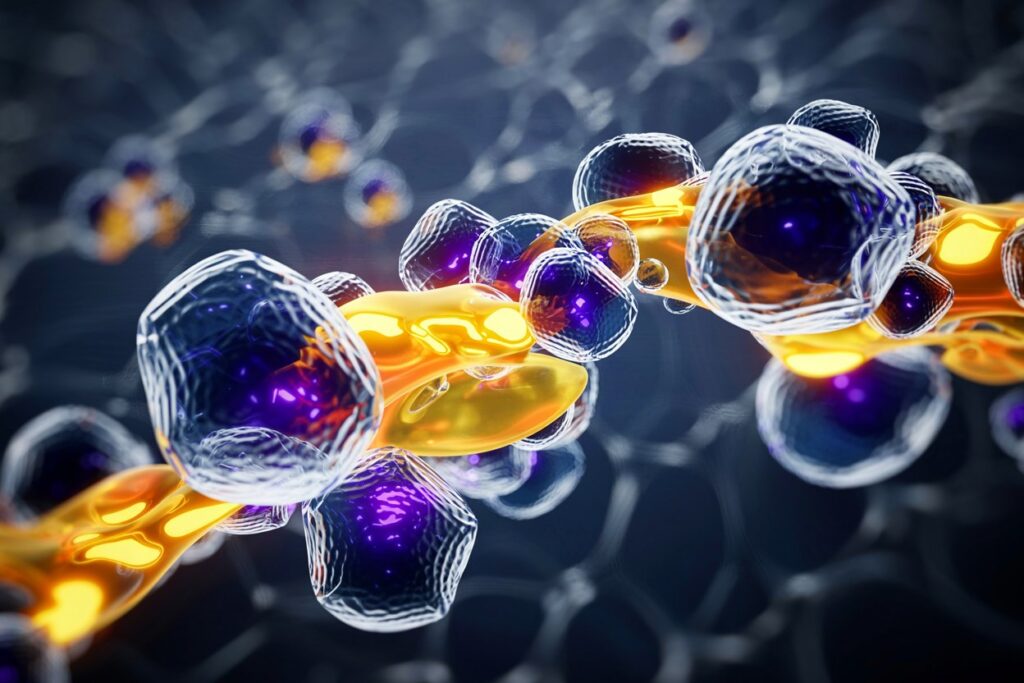
The term autophagy comes from the Greek language and literally means “self-eating,” referring to the eating of damaged cell parts that don’t provide any benefits to the body. Autophagy occurs regularly when you sleep as it fasts. However, intentionally stimulating autophagy more often through fasting methods for longer periods may provide further support.
The process of autophagy serves several essential purposes, including the conservation of energy when food isn’t available, the repair of cellular damage, and the protection against the buildup of harmful substances. By helping cells remain more efficient, resilient, and functional, autophagy can facilitate better resistance to age-related diseases.
It’s important to note that while autophagy can support a healthy metabolism, it is not a “fad,” weight loss hack, or miracle cure. Instead, it should be thought of as one process that supports long-term health.
How Autophagy Works in the Body
When your body isn’t getting enough nutrients or energy, such as when in the fasted state, a form of “energy stress” signals autophagy to start. After a certain number of hours, your body starts to gradually transition to conservation mode, looking to reuse what it already has rather than store incoming fuel.
This temporary “energy stress” isn’t harmful—and it helps trigger a process alongside autophagy called catabolism. This process involves utilizing stored fat for energy instead of carbohydrates when storage (e.g, glycogen) is low, and is one of many beneficial processes that occur during autophagy.
Two key enzymes are involved in turning autophagy on or off, depending on what the body needs at that moment. One essential enzyme called AMPK acts as an energy sensor, detecting low energy levels during fasting and turning on autophagy. At the same time, another enzyme called mTOR is turned down (and goes up when food is abundant).
While this process is complex and there are a lot of moving parts, one thing is clear⸺ autophagy and its enzyme support system helps your cells stay efficient and protected.
When Does Autophagy Start?
Is 16 hours of fasting enough for autophagy? If you follow the 16:8 method, for example, you may wonder if that’s long enough to experience autophagy benefits. While science hasn’t identified a precise number of fasting hours for autophagy, some experts suggest it can begin to increase after 14–18 hours without food, with more noticeable effects potentially occurring around 24-48 hours.
For example, some research suggests that fasting for at least 17 hours has the potential to increase autophagy signals in humans, while other animal studies show it begins after at least 24 hours of fasting.
There are several factors that may influence how long it takes to begin autophagy, such as:
- Amount of glycogen present (e.g., the storage form of carbohydrate)
- Metabolism
- Age
- Frequency of eating
- Activity level
- Diet composition (eating less carbs may trigger it faster, as you’ll have less glycogen stores)
- Sleep and stress levels
- Health conditions
- Medications
It’s important to differentiate autophagy from ketosis, although the two may occur simultaneously. Ketosis is a state where metabolism switches from the burning of carbohydrates to the burning of fat for energy, and can trigger autophagy once the body reaches a full state of ketosis. However, they are each their own distinct processes.
Overall, shorter intermittent fasting windows may begin the autophagy process but deeper fasting (more than 24 hours) increases it.
Autophagy Benefits Activated Through Fasting
Several autophagy benefits are triggered through fasting that can support overall longevity.
Cellular and metabolic health
Autophagy helps remove damaged cellular components, allowing cells to function more efficiently and with less stress. This ongoing cleanup supports better metabolic balance and cellular resilience over time.
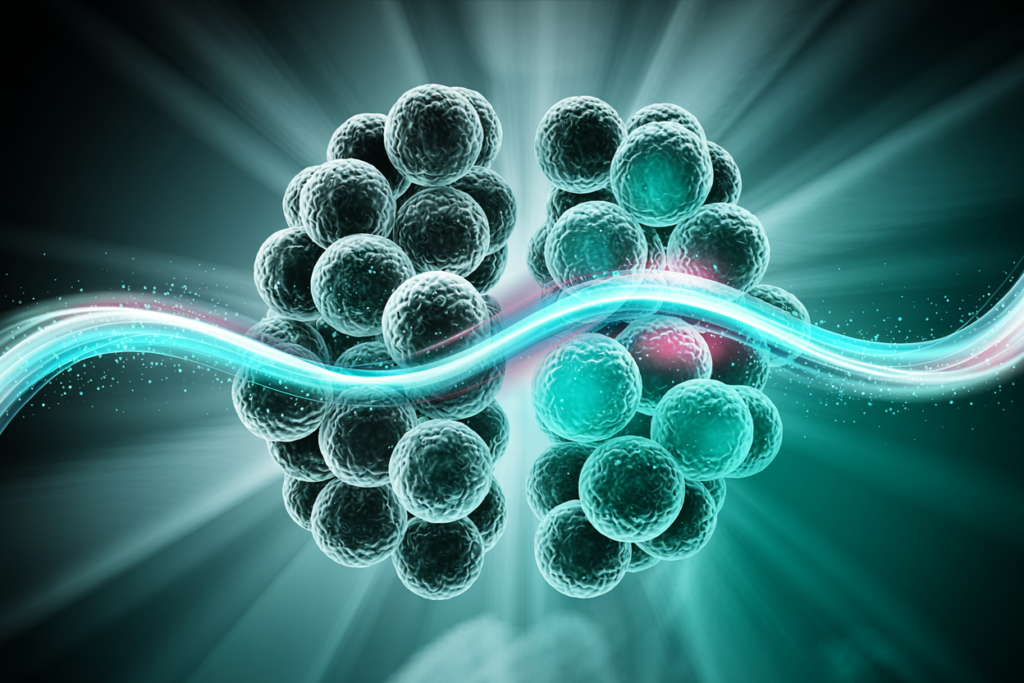
It also enhances mitochondrial health (the health of our cell’s energy generators), driving optimal energy production within cells. And because damaged mitochondria is also associated with diseases such as heart disease, keeping these mighty powerhouses healthy is an emerging area of research.
Brain and cognitive benefits
Autophagy also plays a role in clearing damaged proteins and reducing inflammation in the brain. Research suggests this process may help protect nerve cells, preserve memory, and support brain health. While most of this data currently comes from animal studies, it suggests potential benefits that may also apply to humans.
Anti-inflammatory support
As part of its entire cell turnover process, autophagy helps remove dysfunctional immune cells and supports immune cell renewal. Recent studies suggest this process may help regulate inflammation present in autoimmune conditions such as lupus, rheumatoid arthritis, and type 1 diabetes by regulating the immune system.
Metabolic disease risk reduction
Autophagy supports insulin sensitivity and helps reduce chronic inflammation, both of which are key factors to reduce metabolic disease risk. These effects may contribute to improved blood sugar regulation and overall metabolic health, which can help to prevent or manage conditions like diabetes and obesity.
Longevity and aging
Reduced autophagy is a hallmark of aging. Conversely, animal studies consistently show that increasing autophagy is linked to longer lifespan and healthier aging. In humans, early research suggests fasting and autophagy activation may support markers associated with healthy aging, such as certain proteins.
How to Support Autophagy Through Fasting
Most research suggests at least 24 hours of fasting is needed to fully experience autophagy. For example, an occasional 24-hour fast can deepen the body’s repair response by keeping insulin and energy intake low for longer.
This approach can increase energy stress signals linked to autophagy and the metabolic switch to fat-burning mode, but they’re best suited for people who already tolerate shorter fasts. Overall, a 24-hour fast or more is not a beginner approach, and works best for people who already tolerate fasting well and understand their body’s signals.
Other Dietary Strategies to Stimulate Autophagy
Lowering sugar and refined carbs
Cutting back on frequent sugar and refined carb intake helps reduce insulin spikes, making it easier for the body to transition into a fasting and repair state.
Prioritizing protein and whole foods
Eating balanced meals with enough protein, fiber, and healthy fats during eating windows supports steadier blood sugar levels and more sustainable fasting patterns, which help trigger autophagy.
Hydrating and electrolytes
Staying hydrated and keeping electrolytes like magnesium, potassium, and sodium steady can help prevent fatigue, headaches, and dizziness, especially during longer fasting windows.
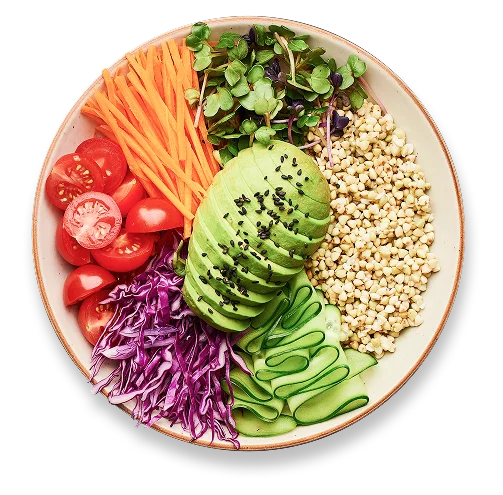
Drinking plenty of water and electrolyte-rich foods like bananas, oranges, avocados, sweet potatoes and tomatoes helps keep you in balance. In addition and when needed, electrolyte-containing beverages like 100% orange juice and electrolyte powders can help provide an additional boost.
Doing all of these things during eating times may make it easier to withstand the longer fasting times needed to stimulate autophagy.
Other Lifestyle Factors
Light exercise
Exercise increases energy demands and causes a temporary, positive stress on the body, signaling the need for cleanup and renewal. Gentle movement, such as walking or low-intensity strength training, can support the same pathways involved in autophagy without adding excessive stress.
Quality sleep
Quality sleep also plays a key role in cellular repair. Poor sleep on the other hand can make fasting harder to tolerate and may lower some of its potential benefits.
To improve your sleep, try to establish a relaxing bedtime ritual that doesn’t involve screens, such as reading a book, some gentle stretching, or taking a warm bath. Avoid caffeine later in the day, and stop eating at least a few hours before bedtime to allow your body time to digest and get into rest mode.



Practical Tips for Getting Started
Here are a few simple steps to create a routine that supports the autophagy process.
Start with a 12-14 hour overnight fast
Start with shorter, more moderate 12-14 hour fasts a few days per week (for example, finishing dinner by 7 pm and eating breakfast at 9 am) before experimenting with longer fasting windows. You may want to follow this routine for a couple of weeks or longer, depending on how experienced you are with fasting.
Prepare meals to support fasting success
Prioritize balanced meals with adequate fiber, protein, and healthy fats before and after fasting windows to keep you full for longer and reduce hunger. This can help prepare you for longer stretches of fasting required to stimulate autophagy.
Manage hunger during fasting windows
Stay hydrated, include electrolytes if needed, and employ low-impact activities like walking or stretching during fasting windows to help manage hunger and keep energy steady. This will help tide you over for longer periods, allowing your body time to switch to that catabolic state where it breaks down stored fuel and then rebuilds it upon eating again.
Ease into longer fasts
Gradually increasing your fasting duration allows your body to adapt and reduces the risk of unwanted side effects. Once you get used to a 12-14 hour fast, for example, you can start to stretch longer into 16 hours and so on while monitoring how you feel. With the Fasting App by Municorn, you can track your fasting hours, view your progress, and more to support your goals.
Warning signs to stop fasting immediately
If you start to feel dizzy, weak, confused, shaky, or faint, it’s a sign to stop fasting and have a meal quickly. Consult your healthcare provider or a registered dietitian for guidance on the best plan for you.
Special Considerations
While autophagy has its benefits, certain groups should avoid more extended fasting methods that trigger it. These include:
- Women who are pregnant and breastfeeding
- Those with a history of eating disorders
- Individuals with certain medical conditions such as low blood pressure
- Those taking medications that need to be taken with food
In all of these cases, it’s recommended to consult with your medical doctor first before starting an autophagy fasting strategy.
Key Takeaways
Fasting is one way to stimulate autophagy, the body’s natural cellular cleanup process that supports long-term health and longevity. However, a minimum of at least 24 hours of fasting may be needed to activate it in some cases, and a gradual, safety-first approach is key to making it sustainable and beneficial. Longer fasts are not for everyone, and should not be practiced by novice fasters.
If you want to experience the benefits of autophagy, it’s important to ease into longer fasting periods gradually and with intention, and listen to your body along the way. The Fasting App is designed to be your sidekick and comes with smart timers and gentle reminders that align with your fasting plan.
Remember to always consult your healthcare provider for individual guidance, and that the best fasting plan is the one that works for your lifestyle and goals.