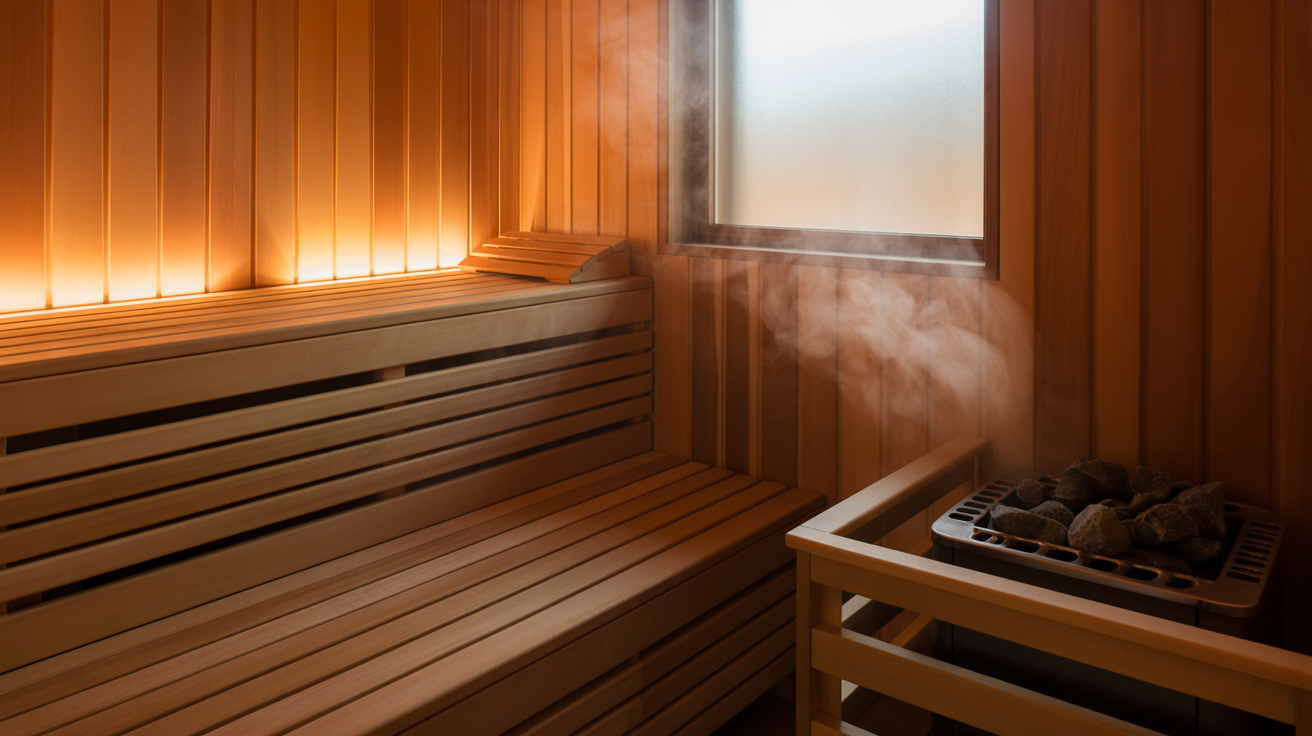


You’ve been fasting all morning, energy steady, coffee done. Then you glance over at the sauna, and it’s tempting: the quiet, heat, maybe a shortcut to that “cleansed” feeling. But does stepping into 180°F on an empty stomach help your fast—or just drain what’s left in your tank?
What Happens When You Add Heat to a Fast
Dehydration and electrolytes.
Sauna sweat is not only water, but it also carries sodium, potassium, magnesium, and chloride. Studies show sodium concentration in sweat varies widely among individuals, depending on heat exposure and genetics.
When you’re fasting, glycogen stores (and the water bound to them) are already depleted. That means your circulating volume drops faster. Replacing sodium after sauna sessions becomes non-negotiable if you want to avoid dizziness, headache, or fatigue.
Heat stress and hormones.
A single sauna session spikes cortisol and heart rate briefly, mimicking light exercise. But repeated exposure builds heat tolerance and tends to reduce baseline cortisol and perceived stress over time. That’s part of the “post-sauna calm” people describe: the same fight-or-flight trigger that feels stressful at first can evolve into a recovery signal once your body adapts.
Blood pressure and volume shifts.
Heat dilates blood vessels and redistributes circulation toward your skin for cooling. On a fast, with lower plasma volume and lighter glycogen reserves, that same vasodilation can tank blood pressure faster when you stand up. This type of fainting, called orthostatic syncope, is one of the most common sauna-related issues. Move slowly, sit before standing, and don’t push through lightheadedness.
Why Some Fasters Still Love It
There’s a reason sauna culture overlaps with fasting and training circles. Used smartly, it can support adherence and mental clarity.
Relaxation and recovery
Post-sauna calm often feels like a full-body exhale. That relaxation effect can make fasting easier—especially in the jittery early hours when your mind races toward food. Long-term Finnish cohort studies link routine sauna use (2–4x weekly) to lower cardiovascular and all-cause mortality risk, independent of exercise or weight. So, it’s clear: regular, moderate heat exposure looks broadly beneficial for healthy adults, though not because it “melts” fat.
Mental edge
A light sauna session—think 10 minutes at moderate heat—can boost mood and smooth hunger edges for some fasters. The endorphin rush mimics light exercise. But others find it depleting, especially on long fasts. Listen to your cues, not your streak counter.
When the Risks Outweigh the Rewards
Low blood pressure, dizziness, and fainting.
The combination of heat, dehydration, and low blood sugar can make standing after a session risky. Most syncope cases happen when users jump up too quickly after sitting or lying in the sauna. Sit still for a minute before heading out.
Sleep disruption.
Late-night sessions can backfire. Deep core temperature takes several hours to drop; if you sauna too close to bedtime, that residual warmth can keep your body alert.
Medical red flags.
Skip fasted sauna sessions entirely if you are pregnant, have kidney disease, unstable heart conditions, or uncontrolled hypertension. Even healthy adults should treat it as a progressive stressor, not a detox. Large Finnish cohorts show strong safety signals, but those participants typically hydrate and eat before sessions.
Timing Makes or Breaks It
Early fast window.
If you really want to combine the two, start gently. Lower the temperature and keep your first session short—10 minutes at most. Sit before standing, rinse cool, and monitor how your body reacts the rest of the day.
Near re-feed (best).
For most people, the sweet spot is right before breaking the fast. You can replace fluids, sodium, and potassium immediately afterward and eat a protein-forward meal to support recovery. You’ll still get the heat benefits without risking dizziness or electrolyte depletion.
A Simple, Repeatable Protocol to Try
If you want to see how the sauna works for you during your fast, try this easy routine to see its impact on your body:
- Duration: 10–15 minutes × 1–2 rounds.
- Cool-down: 2–3 minutes of cool air or a rinse between rounds.
- Position: Sit toward the middle benches, feet near floor level. Avoid lying flat, which worsens orthostatic drops when you stand.
- Progression: Don’t chase “PR heat” days. Build tolerance across weeks, not sessions.
Tip for Optimal Hydration and Electrolytes
Before you hop in the sauna, have a tall glass of water with a pinch of salt or a sodium tablet. Once you finish in the sauna, grab another glass of water and mix in sodium and potassium—either via an electrolyte mix or food (banana, avocado, lightly salted broth).
If you’re fasting and using the sauna, stick with plain or mineral water. Avoid sweetened electrolyte drinks; the calories or carbs will break your fast. Sweat sodium loss can vary tenfold between individuals, so if you feel chronically tired or dizzy post-sauna, your sodium replacement is likely too low.
Training Days vs. Rest Days: Should You Use the Sauna?
- Training days: If you lift or run, sauna after your re-feed. That’s when glycogen and plasma volume are already being restored, minimizing strain.
- Rest days: A short, moderate session (10–12 minutes) fasted can be fine if tolerated—treat it like light cardio. Abort if dizzy, and increase hydration next time.
Red Flags: When to Stop Immediately
Chest pain. Pounding headache. Vision changes. Persistent lightheadedness or heart palpitations. These are all signs that you should get out of the sauna and ensure that you’re protecting your health and not stressing your body out.
If any of these hit mid-session or afterward, stop immediately and cool down. Seek medical care if symptoms linger.
Optimize Your Fast with the Fasting App by Municorn
The sauna isn’t a fat-loss accelerator. The post-session scale drop is just sweat and glycogen water, not adipose tissue. Think of sauna as a recovery amplifier: a tool for stress resilience and adherence, not calorie burn.
When combined thoughtfully with fasting, it can enhance calm, discipline, and mental reset. When pushed too hard, it can derail hydration, cortisol balance, and safety.
Start cool, hydrate smart, and remember: fasting is about healing rhythms, not punishment rituals.
To upgrade your fast beyond responsible sauna use, download the Fasting App by Municorn today. You can track your symptoms, what you eat, how long you fast, and discover the pattern that works best for you to meet your fitness goals.