
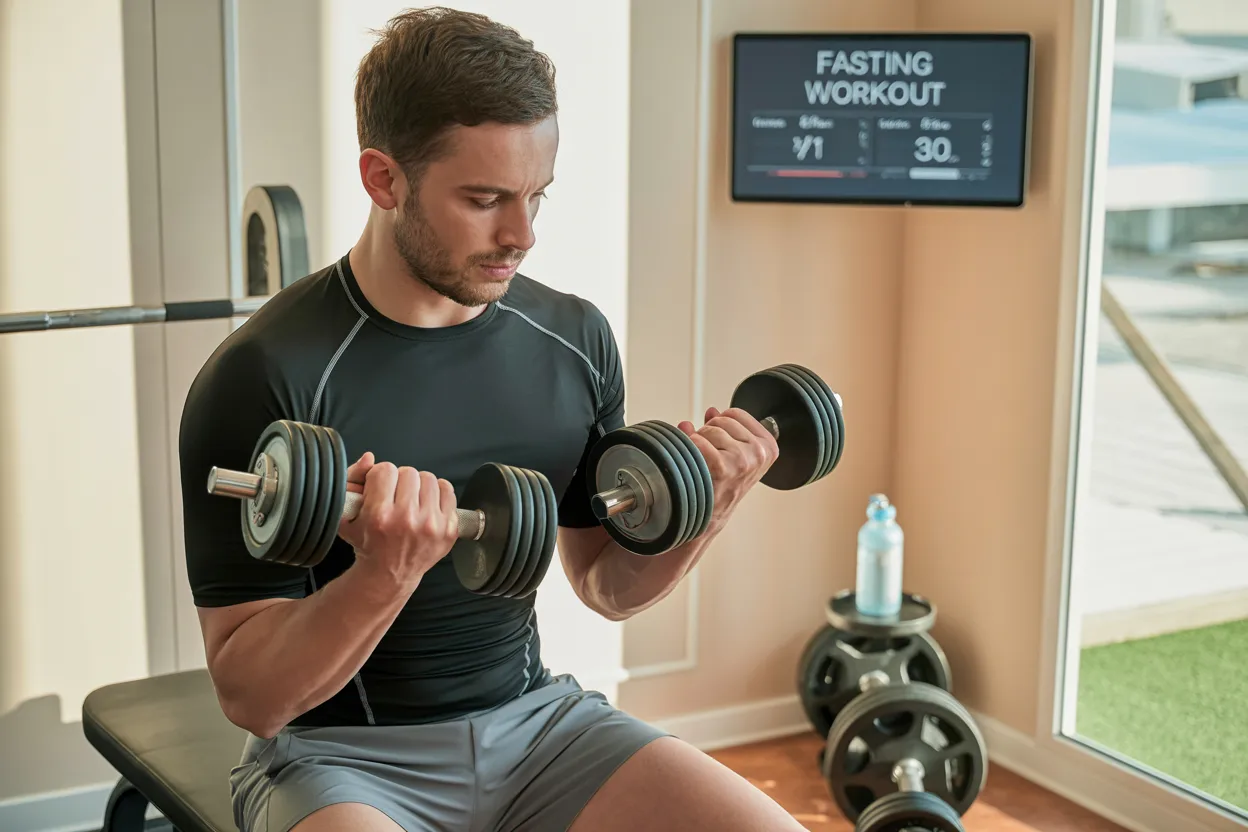

It’s a cold morning. Black coffee. Gym bag by the door. You feel weirdly proud that you’re still fasting, like you’ve already won a small battle before the day even starts. Then you go and work out.
Maybe you feel sharp and light and unstoppable. Or maybe halfway through your first working set your legs go hollow, your grip feels weak, and you start doing that internal math: Am I being disciplined… or just making this harder than it needs to be?
That’s the real question with fasted training. Not “Is it allowed?” Not “Does it break the rules?” The question is whether fasting + exercise is a tool you’re using on purpose… or a trend you’re forcing your body to tolerate.
No purity tests here. No “always” rules. Fasted training is all about timing. And timing only matters if it helps you reach the goal you actually care about.
We’re going to look at working out while fasting through two lenses:
- Lens 1: strict fast physiology (fed vs fasted signals)
- Lens 2: goal-based outcomes (fat loss, muscle, performance, sustainability)
Once you know which lens you’re using, the confusion drops fast.
What “Working Out While Fasting” Actually Means
People argue about fasted training because they’re not doing the same thing.
“Working out while fasting” can mean:
- Zone 2 cardio during a 14–16 hour fast (walks, easy bike, light jog)
- Heavy lifting in a fasted state (strength training before your first meal)
- HIIT / conditioning while fasted (hard intervals, CrossFit-style sessions)
- Long endurance during extended fasts (long runs/rides with big energy demands)
- “Fasting” but with calories/sweeteners/electrolytes (coffee add-ins, BCAAs, “zero sugar” drinks, etc.)
Those are different stressors with different fuel needs. If you treat them like one category, you end up with fake certainty and bad advice.
What the Research Generally Suggests
If you zoom out, a few patterns show up:
- Many people can build strength and muscle while practicing intermittent fasting, as long as total training quality and total daily intake are solid. Intermittent fasting combined with resistance training tends to reduce body mass and body fat while preserving fat-free mass in studies comparing it to non-fasting approaches.
- Resistance training performed after an overnight fast versus fed can look surprisingly similar for body composition, hypertrophy, and strength in the research—especially when the “fast” is basically an overnight fast and people still meet their protein needs later.
- Protein intake matters. A large meta-analysis found that protein supplementation significantly improves gains in muscle strength and size during resistance training.
So fasted training isn’t automatically bad. But it’s also not automatically superior. The bigger drivers are usually:
- how hard you train (and whether you can keep that quality consistent)
- how well you recover (sleep, stress, total calories)
- whether you hit a protein intake that actually supports adaptation
Now let’s talk about what changes under the hood when you train fasted.
What Changes When You Train Fasted
Fuel Availability: Why Some Workouts Feel Easy, and Others Feel Awful
After an overnight fast, your body isn’t empty. You still have stored glycogen, stored fat, and circulating fuels. But you are operating with less immediate, easy glucose coming in from food.
That tends to matter more as intensity rises.
- Easy cardio: your body can lean more on fat oxidation and the workout often feels fine.
- Heavy lifting / HIIT: you’re asking for quick energy. If your glycogen is lower, perceived effort can go up. That’s the “my legs feel like cement” feeling.
This is why some people swear fasted workouts feel amazing… and other people feel like they’re training underwater. Same concept, different body + different workout.
See progress you can feel — and measure.
Daily check-ins to keep you motivated and accountable.
Insulin and Fat Mobilization: Yes, You Burn More Fat… But That’s Not the Whole Story
Fasting generally means lower insulin. Lower insulin makes it easier for your body to mobilize stored fat.
So yes: in a fasted state, you often burn more fat during the session.
But here’s where people get tricked: more fat used during a workout does not automatically equal more fat lost overall. Fat loss is driven by sustained energy balance across days and weeks, not which fuel you used at 7:14 a.m. for 45 minutes. Researchers have pointed out that increased fat oxidation during fasted exercise doesn’t necessarily translate into greater fat loss without an overall energy deficit.
Fasted training can support fat loss if it helps you:
- stay consistent
- control appetite
- avoid snacking spirals
- keep total intake appropriate
If fasted training makes you ravenous and chaotic later, it can do the opposite.
Stress Response: Sharp vs Wired-And-Tired
Some people feel focused fasted. Others feel edgy.
Fasting + training is a stress stack. Not a bad one, but still a stack. If you’re under-slept, over-caffeinated, or already stressed, adding a fasted workout can push you into that “wired but tired” zone where performance drops and cravings spike later.
This is one of the most overlooked parts of the debate. The argument usually stays metabolic. The real limiter is often nervous system and recovery.
Muscle Protein Synthesis: Your Body Doesn’t Care About Fasting Ideology
If you lift weights, your muscles need building blocks. You can absolutely train while fasted, but hard training needs fuel eventually—especially protein.
Protein supplementation has consistently been shown to enhance strength and muscle gains during resistance training in meta-analyses.
So the real question isn’t “Did I keep the fast technically pure?” The question is: Did I train well, then feed recovery soon enough, and do I hit protein consistently day after day?
Use the Goal Lens: When Fasted Training Works and When It Backfires
Goal A: Fat Loss + Appetite Control
Fasted workouts can be a win when:
- You feel better training before food
- You like the simplicity of “wake → train → shower → start day”
- Fasted training makes you feel mentally clean and consistent
- You can break the fast later without turning it into a food free-for-all
But fasted training backfires when:
- You train fasted → you feel proud → you “deserve” a massive first meal
- You open your window ravenous and eat like you’re trying to catch up for lost time
- Your hunger stays high all day and you end up eating more than you would have otherwise


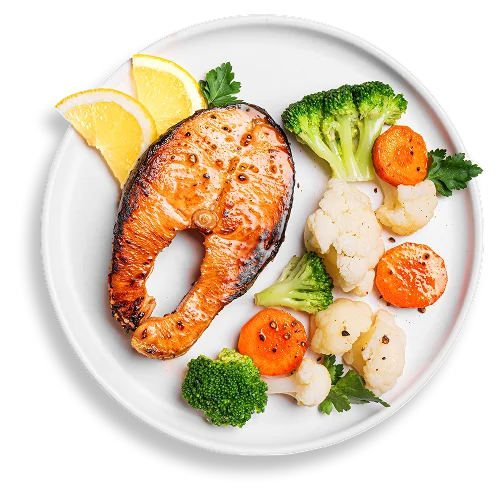

If that’s your pattern, the fix is not “try harder.” The fix is timing. A simple adjustment you can try is to move the session closer to your first meal. Train at the end of the fast, then eat. You keep the fasted feel, but you don’t delay recovery.
Goal B: Muscle and Strength
You can absolutely lift while fasting, but don’t pretend the body is impressed by the idea. It still needs protein and energy.
Here are options that work well:
- Train late-fast → then eat. This is the sweet spot for many people. You get the simplicity of fasting, then you feed recovery immediately.
- Train inside the eating window. Boring and effective. If strength is the priority, this is the simplest choice.
- If you insist on morning fasted lifting: prioritize protein + carbs afterward. Not because you’ll “miss the window” if you don’t, but because it makes recovery easier and helps you hit total intake without playing catch-up.
People love to obsess over the exact minute they drink a shake. Reality is less dramatic. Timing can help, but consistency and total daily protein are usually bigger drivers of results than perfection. Even without sugar, protein can still stimulate insulin; for example, whey protein has been shown in human trials to increase early insulin secretion when consumed around a meal.
Goal C: Performance (HIIT, Heavy Sessions, Long Endurance)
If performance matters today, don’t gamble on empty.
High-intensity sessions demand quick energy. Many people can do them fasted, but plenty notice lower power output, higher perceived exertion, or a session that feels harder than it should. It’s not a character flaw. It’s physiology and fuel availability.
A simple hierarchy:
- If it’s a key performance day: train fed or at least closer to your eating window.
- If it’s an easy day: fasted is often fine.
- If it’s a long endurance session: be careful stacking a long fast with a long workout unless you’re experienced and intentional.
If you’re training for something where output matters (lifting numbers, race pace, conditioning benchmarks), fasted training should be a tool you deploy, not your default identity.
Don’t Be a Hero: Safety Tips and Red Flags
Fasted training should feel like a strategy, not like survival. Stop or adjust if you get:
- dizziness or lightheadedness
- nausea
- shakes
- tunnel vision
- feeling faint
- heart racing in a way that feels off
Be extra cautious (or get medical guidance) if you have:
- a history of disordered eating
- pregnancy/breastfeeding
- diabetes or medications that affect blood sugar
- a tendency to faint
Hydration is not optional. Fasting can shift fluid and electrolyte balance for many people, and basic electrolytes can help some people feel dramatically better during fasting windows.
A Practical Playbook: 4 Templates That Actually Work
1) Fasted Easy Cardio Template (Best Starter)
- Water + black coffee/tea if you want
- Optional electrolytes (no sugar)
- 30–60 minutes easy movement (walk, bike, light jog)
- Break your fast normally with a protein-forward meal
This works because easy cardio is less dependent on immediate glucose, and you’re unlikely to “crash” if intensity stays reasonable.
2) Fasted Lifting Template (For People Who Lift Early)
- Warm up longer than you think you need
- Keep the session focused: compounds, controlled volume
- Don’t chase PRs every time
- Eat a real meal after: protein + carbs + fluids
If your lifts feel flat, don’t make it a moral battle. Move lifting closer to food.
3) Performance Day Template (When Output Matters)
- Train inside your eating window or break the fast shortly before
- Keep caffeine reasonable (don’t replace food with stimulants)
- Post-workout: protein + carbs + hydration
This is for HIIT days, heavy squat days, or anything where you care about quality.
4) Long Fast + Long Workout Caution Template
If you’re fasting 20+ hours or doing extended fasts and you’re planning long endurance:
- don’t stack new stressors at once
- build up gradually
- prioritize hydration and electrolytes
- be honest about whether your goal is fitness or proving something
Extended fasting is not the time to discover your limits mid-run.
Grey Areas People Always Ask About
BCAAs / EAAs Pre-Workout
They look “small,” but they’re still amino acids. If you’re fasting for strict fast physiology or autophagy-style goals, they’re not neutral. If you’re fasting for fat loss and they help you train better, that’s a different trade. (But most people don’t need them if they eat enough protein overall.)
Pre-Workout Drinks With Sweeteners
“Zero calorie” doesn’t mean “zero effect.” Some people do fine. Some people get cravings and appetite rebound. If it helps adherence and doesn’t trigger hunger, it can be workable. If it turns your fast into a cravings fight, drop it.
Electrolyte Powders With Sugar
These are not “fast safe” in any strict sense. They’re basically a light carb drink. Great for endurance fueling. Not great if you’re trying to stay fasted.
So… Should You Work Out While Fasting?
Training while fasting is a tool, not a virtue. If it helps you:
- stay consistent
- feel good
- recover well
- eat in a way that supports your goal
Keep it. If it makes you:
- crash
- binge
- dread workouts
- underperform constantly
- feel anxious and obsessed about rules
Adjust the window. Train closer to food. Make it easier to win. The “best” approach is the one you can repeat for months without your body fighting you.
Let Your Data Decide After the Municorn 2-Week Test
If you’re not sure whether fasted training is helping or quietly sabotaging you, stop guessing. Run a two-week experiment with the Fasting App by Municorn:
Week 1: Fasted workouts
- Track: workout quality, hunger waves, cravings, sleep, mood, energy, progress
Week 2: Workouts inside your eating window
- Keep training similar
- Track the same things
Look for patterns:
- Did performance improve?
- Did hunger calm down or get worse?
- Did you stop overeating when the window opened?
- Did fasting feel easier or harder?
You don’t need an ideology. You need feedback. Use the Fasting App to test different timings, log your workouts, and see how fasted training affects hunger, performance, recovery, and progress in your real life. Let your data decide.