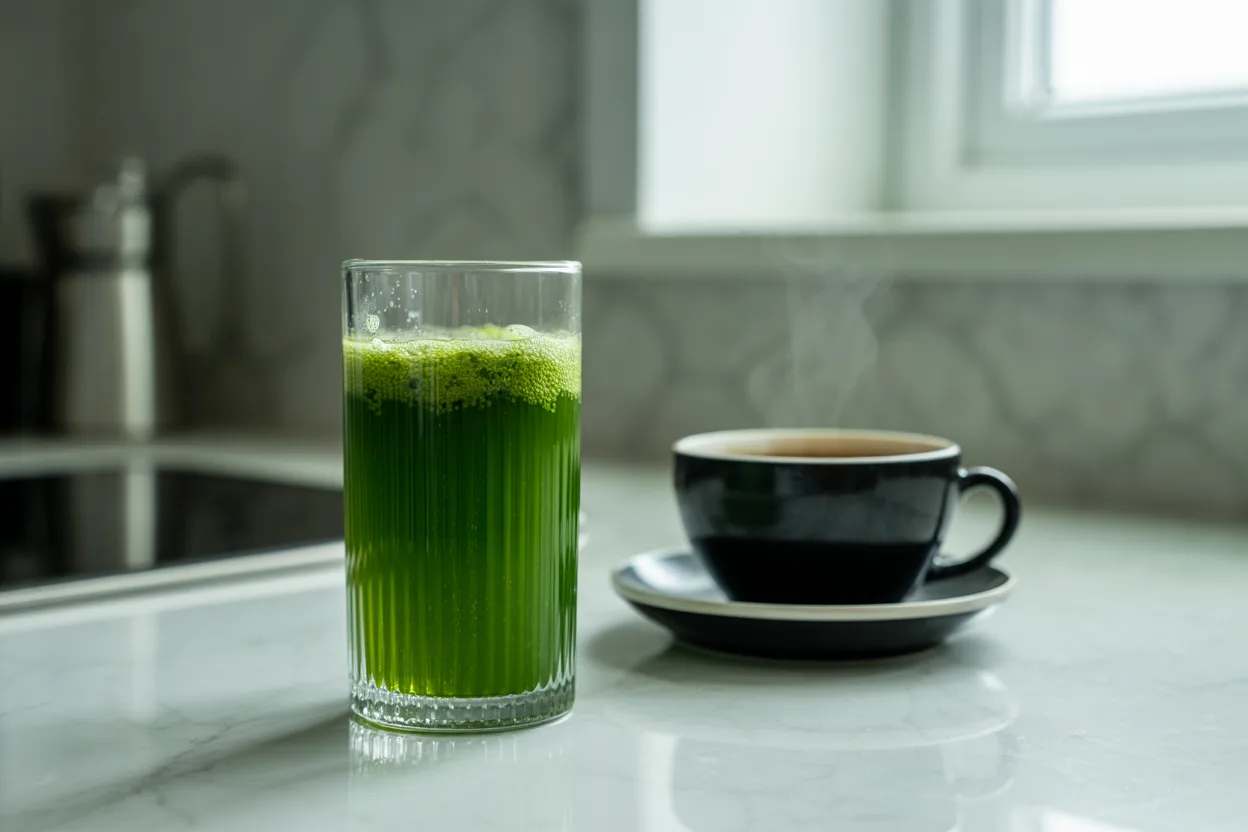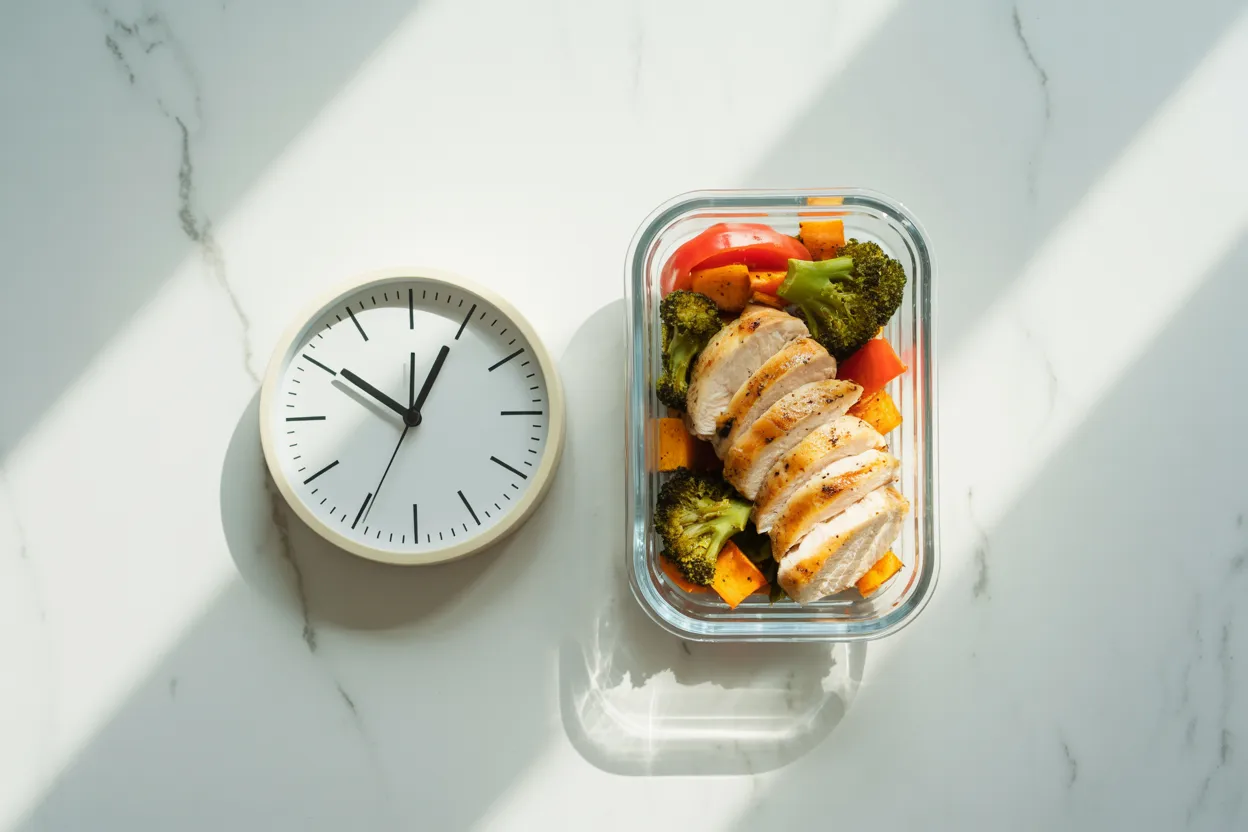


It’s late, you’re winding down with herbal tea, and your hand reaches for the honey jar.
Just a teaspoon, you tell yourself. It’s natural. It’s tiny. Surely that doesn’t count… right?
Honey feels gentle and wholesome, which makes it easy to forget what it really is: concentrated sugar. To figure out whether it breaks a fast, we have to look past the marketing and into what it does in your body.
Let’s use the same two lenses as before: the strict calorie view and the goal-based view.
What Honey Actually Is
Honey isn’t magic. It’s mostly sugar suspended in a sticky, pleasant package. Chemically, it’s made up of:
- Fructose and glucose as the main sugars
- Small amounts of water
- Trace minerals, polyphenols, and enzymes
Analyses of different honeys consistently show that 80–85% of their weight is sugar, with fructose slightly higher than glucose in most varieties.

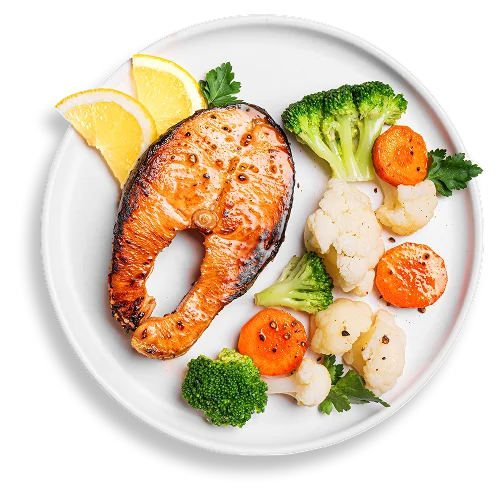
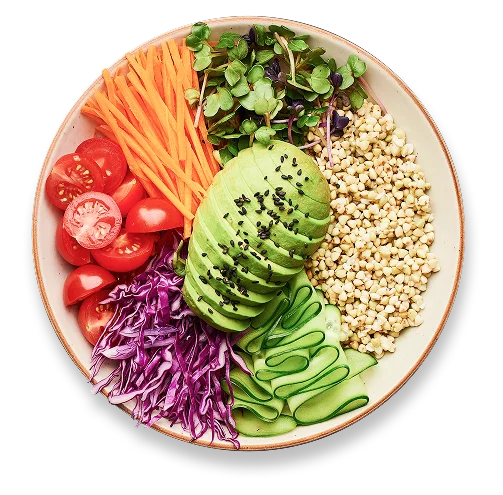
Calorie-wise, you’re looking at roughly 60–65 calories per tablespoon, or about 20 calories per teaspoon. That doesn’t sound like much, but in fasting terms, it’s a clear energy input.
So from a pure composition standpoint, honey is:
- High in simple sugars
- Calorie-dense
- Only modestly “nutritive” beyond that
Those antioxidants and phytonutrients are real, but they don’t cancel out the metabolic reality of the sugar they arrive with.
The Calorie & Insulin View
If your definition of fasting is “no calories,” then honey breaks a fast on contact. Even a teaspoon provides measurable energy.
But even if you care more about hormones than calories, honey still pushes you toward a fed state.
Because honey is mostly free fructose and glucose, it’s absorbed quickly in the small intestine. Controlled trials comparing honey to other sugars show that it raises blood glucose and insulin, though in some cases a bit differently than pure sucrose or glucose.
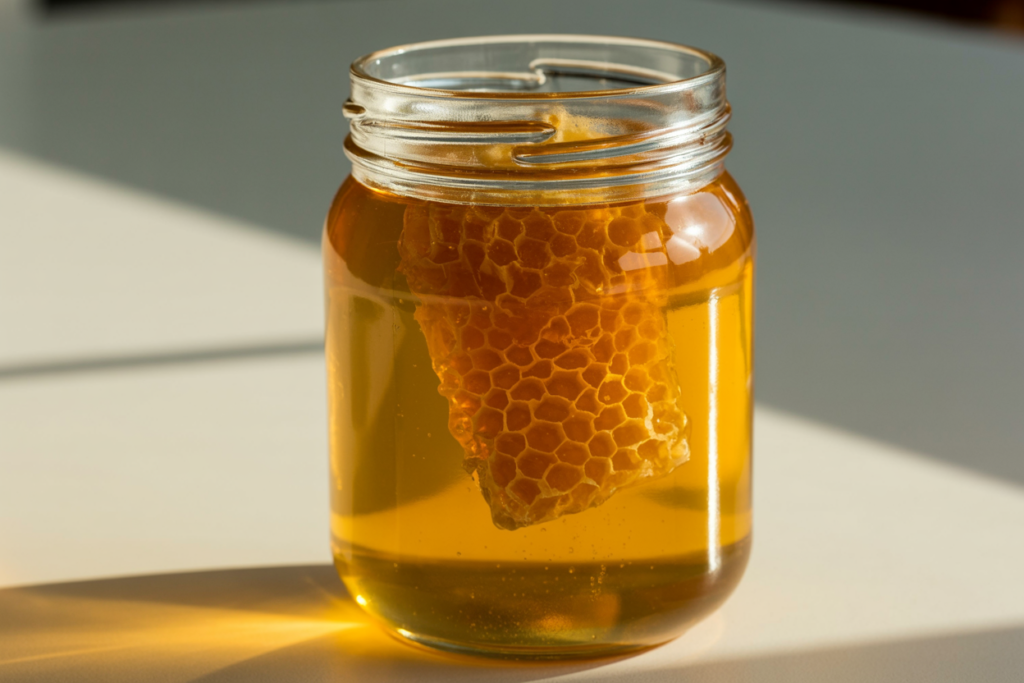
That insulin bump is exactly what fasting is trying to give you a break from. During a clean fast, insulin falls, making it easier for your body to tap stored fat. Once quickly absorbed sugars show up, that low-insulin state is interrupted.
Even if the spike is modest because the dose is small, it’s still a fed signal, not a fasted one.
What About Honey’s “Benefits”?
If you hang out online long enough, honey starts to sound like a cure-all:
- Helps you sleep
- Boosts immunity
- Soothes a sore throat
- Stabilizes blood sugar at night
There is some science behind pieces of this. For example:
- Honey possesses antimicrobial and anti-inflammatory properties, and can reduce cough frequency in children with upper respiratory infections compared to some over-the-counter options.
- Its antioxidant content may support overall health markers in people who replace refined sugar with moderate honey intake.
But there are two important caveats:
- These benefits are studied in clearly fed contexts, not during a fasted window.
- They arise in spite of the sugar, not because the sugar is harmless.
You can absolutely use honey as a slightly more complex sweetener choice inside your eating window. That doesn’t change the fact that, inside a fast, it behaves like what it is: sugar.
Where Honey Fits (and Doesn’t) in Common Fasting Goals
Weight Loss and Insulin Sensitivity
If your goal is to lower insulin, improve metabolic health, or gradually lose fat, popping sugar into a “fasted” window works against you.
Even small, repeated doses add up. Twenty calories of honey in your tea won’t derail your progress once in a while, but a nightly ritual of “just a teaspoon” is essentially a standing snack. Over weeks, that’s hundreds of extra sugar calories nudging your body away from the consistent low-insulin time you’re trying to create.
Studies that support time-restricted eating and intermittent fasting typically achieve improvements in weight and insulin sensitivity by reducing energy intake and nighttimeeating, not by adding small sugar hits to the fasting period.
Gut Rest and Bloating
If you’re fasting to give your gut a break or to troubleshoot bloating, honey isn’t your ally mid-fast.
Honey is rich in fructose, and in some people, excess fructose or certain honey types can behave like FODMAPs: fermentable carbohydrates that gut bacteria love to turn into gas. Clinical reviews on functional gut disorders regularly list honey among potential triggers for people with fructose malabsorption or IBS-type symptoms.
In other words, if your goal is gastrointestinal calm during the fasting window, adding fermentable sugars is not the way to get there.
Sleep Rituals
Some people use a spoonful of honey before bed, often alongside a bit of fat or protein, to help stabilize blood sugar overnight and curb early-morning wake-ups. That can be a valid tool inside a fed pattern, especially for people who get shaky or hungry at 3 a.m.
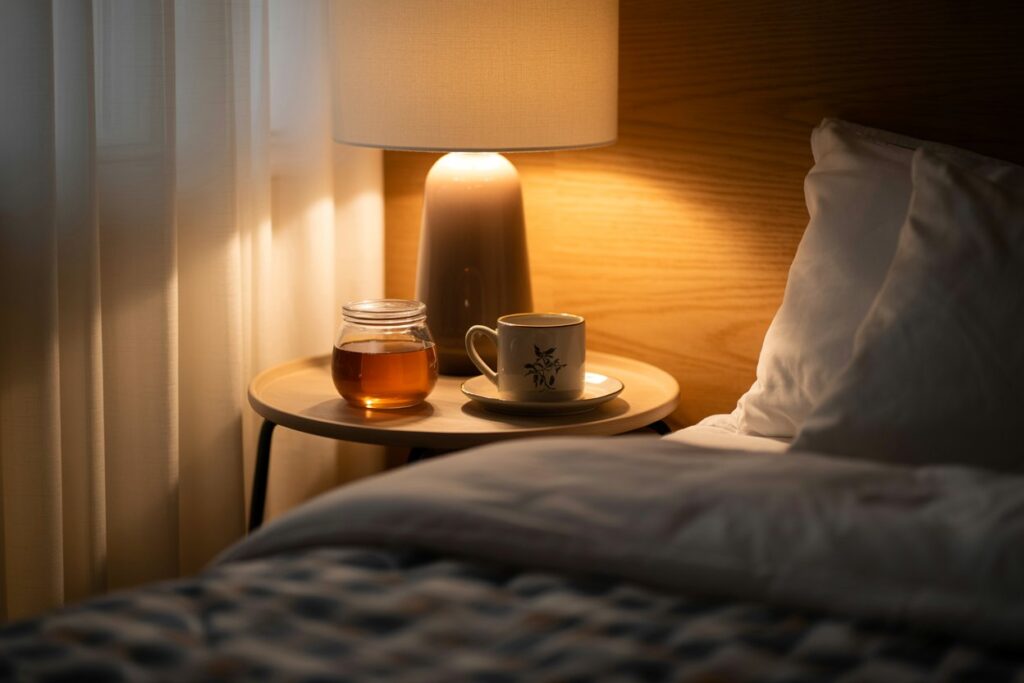
But that’s not fasting anymore. It’s a deliberate pre-sleep snack. There’s nothing wrong with choosing that if your priority is sleep, but you can’t file it under “still fasting.”
Smarter Ways to Use Honey
You don’t have to exile honey forever. You just need it in the right place. Inside your eating window, honey can absolutely live in a balanced pattern:
- Drizzle a small amount over Greek yogurt or oatmeal, where protein and fiber help slow absorption.
- Use a spoonful in a post-workout meal if you enjoy a touch of sweetness with your carbs and protein.
During the fasting window, your better options are:
- Unsweetened herbal tea
- Water, sparkling water, or black coffee
- If your goals allow, non-caloric sweeteners used sparingly
That keeps your fasting time truly low-insulin and low-input, which is the whole point.
So… Does Honey Break a Fast?
Short answer: yes.
- From a calorie standpoint, honey clearly breaks a fast.
- From a metabolic standpoint, its quick sugars raise blood glucose and insulin, nudging you out of the fasted state you’re trying to maintain.
- From a gut-rest standpoint, it adds fermentable carbs to a system you may be trying to quiet.
You can still enjoy honey as part of a healthy diet. It just belongs inside your eating window, not as a “harmless” add-on in the middle of your fast.If you want to stop arguing with yourself about that bedtime teaspoon, let the data decide. Use an app to log when you use honey, track cravings, sleep, bloating, and energy, and watch the patterns play out.