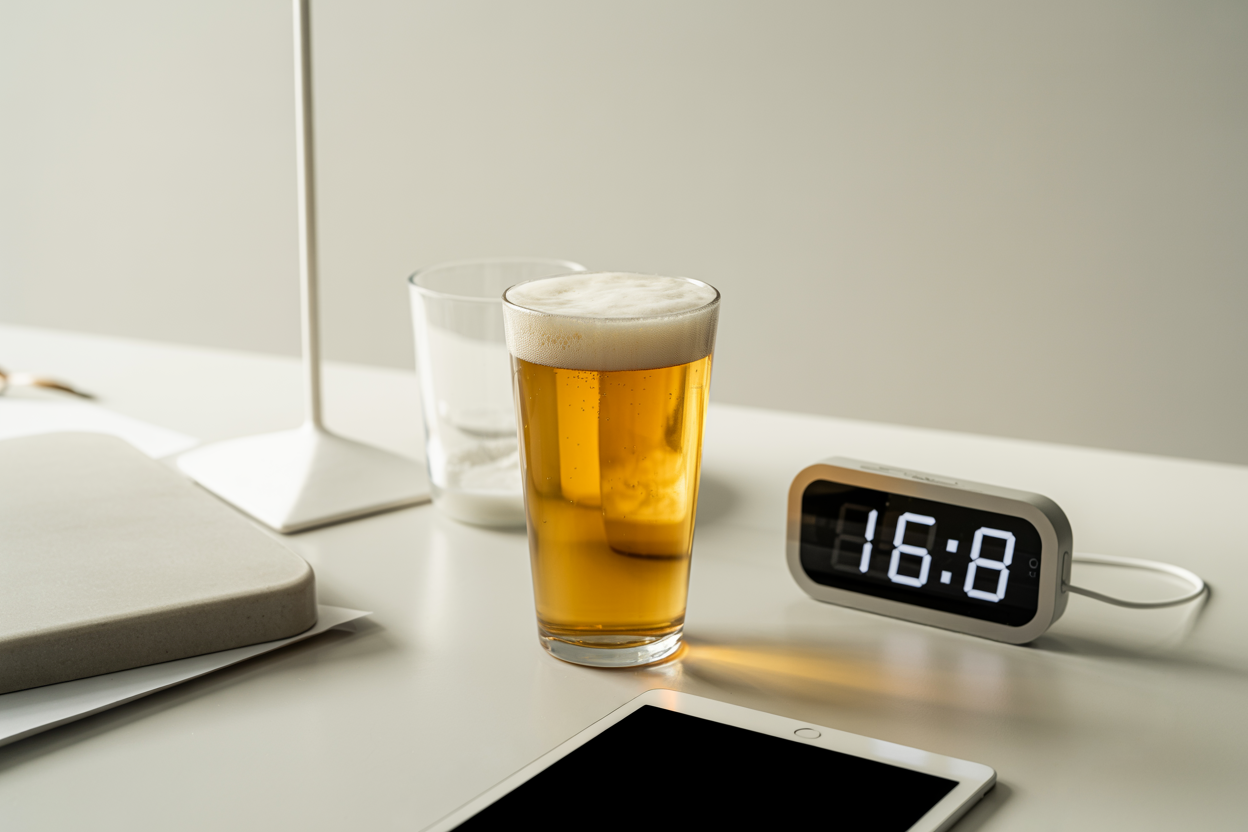


You’re out with friends, everyone’s ordering drinks, and someone hands you a cold beer. You’re technically still in your fasting window. Maybe you tell yourself it’s no big deal. Beer isn’t food, right?
Beer feels casual and social, which makes it easy to forget it’s also a mix of carbs, alcohol (or alcohol’s metabolic cousin), and a non-trivial amount of calories. Whether it’s a regular beer or a non-alcoholic one, the question stays the same:
Does beer break a fast? Let’s walk through what actually happens when you drink it.
What’s In Your Beer?
Alcoholic Beer
A regular beer is a blend of carbohydrates, alcohol, water, and tiny traces of protein or minerals. Calorie ranges vary by style:
- Light beer (12 oz): roughly 90–110 calories
- Standard beer (12 oz): 140–180 calories
- Craft or high-ABV beers (12 oz): 200+ calories
Those carbs matter, but alcohol is the bigger metabolic disrupter.
Non-Alcoholic Beer
This is where people tend to get confused. NA beer still contains:
- Carbohydrates (often just as many as regular beer)
- Calories (typically 60–100 per can)
- Very little to no alcohol
From a fasting perspective, both versions deliver enough energy and carb load to pull you out of the fasted state. The only real difference is the presence or absence of ethanol, but metabolically, either one counts as “food.”
The Calorie View: Yes, Beer Breaks a Fast
If your definition of fasting is “no calories,” then beer breaks the fast without question. Even the lightest beer contains enough energy to move you out of a fasted state. A clean fast includes:
- Water
- Black coffee
- Plain tea
- Electrolytes without calories
Beer—alcoholic or NA—doesn’t fit that category in any universe. Here’s our article on what drinks do not break a fast, if that’s what you’re after.
But fasting isn’t only about calories. To really understand how beer interacts with intermittent fasting, you have to look at metabolism, hormones, and recovery.
How Alcohol Changes Your Fasted Metabolism
Your Liver Has New Priorities
When you drink alcohol, your liver immediately shifts gears. Alcohol metabolism takes priority over everything else—including fat burning.
A classic study showed that when people consumed alcohol, whole-body lipid oxidation dropped sharply, because the liver was busy processing ethanol and its byproducts.
This is one of the most straightforward ways alcohol disrupts the goals of a fasting window: fat burning is suppressed until the alcohol is cleared.
Blood Sugar Gets Unpredictable
Alcohol doesn’t behave like carbs or fat. It can cause:
- Initial glucose dips in some people
- Glucose swings, especially when combined with carb-heavy drinks or meals
Research published in Diabetes Care highlights that alcohol can acutely impair glucose regulation, decrease fasting insulin and HbA1c concentrations, among people without diabetes.
Even moderate amounts can shift you from the stable, low-insulin fasted state into a more chaotic metabolic pattern.
Sleep and Inflammation Take a Hit
Even small doses of alcohol reduce deep sleep, according to controlled sleep studies. Subjects who consumed moderate doses of alcohol before bed had reduced REM sleep and fragmented rest, which can affect metabolic recovery the next day.
Inflammatory markers tend to spike after heavy alcohol intake, and research suggests the effects of light to moderate drinking on inflammation are more mixed.
Poor sleep + inflammation is the opposite of what most people want from intermittent fasting.
Non-Alcoholic Beer During a Fast
Because NA beer looks healthier or “lighter,” people assume it’s fasting-friendly. But metabolically, it behaves more like a carb drink.
- It contains sugar or maltose
- It triggers an insulin response
- It breaks the fasted state
Studies of carbohydrate-containing beverages consistently show post-prandial increases in glucose and insulin, even without alcohol involved. Research consistently links regular consumption of sugar-sweetened beverages with postprandial spikes in glucose and insulin, contributing to insulin resistance and metabolic disease over time.
Zero alcohol doesn’t mean zero metabolic impact. NA beer is great if you’re avoiding intoxication. It is not great if you’re trying to stay in a fasted window.
Where Beer Fits Into Your Fasting Goals
Weight Loss and Metabolic Health
If you want your fasting window to improve insulin sensitivity and fat oxidation, beer inside the fast works directly against those goals.
- Alcohol stalls fat burning
- Carbs raise insulin
- Calories break the fast outright
That doesn’t mean you can’t drink beer and still practice intermittent fasting. It just means beer needs to live in your eating window, not your fasting one.
Social Flexibility
Life includes celebrations, dinners, and nights out. Instead of trying to smuggle beer into a fasting window, a smarter approach is:
- Shift your fasting window later
- Break your fast at the event
- Let beer be part of your feed period
Trying to “maintain” a fast while drinking is both metabolically unhelpful and mentally draining. You’re better off restructuring the window than pretending beer “doesn’t count.”
Autophagy and Cellular Repair
Alcohol gives your liver extra work. A fasting window aimed at cellular repair, inflammation reduction, or gut rest isn’t compatible with:
- Ethanol metabolism
- Sugar
- Carb load
- Caloric intake
So, for people fasting for deeper healing reasons, beer is a clear break in the process.
A Two-Week Beer Reality Check
If you’re not sure whether beer is actually affecting your fasting progress, test it instead of guessing.
Week 1: Clean Fasts, No Beer
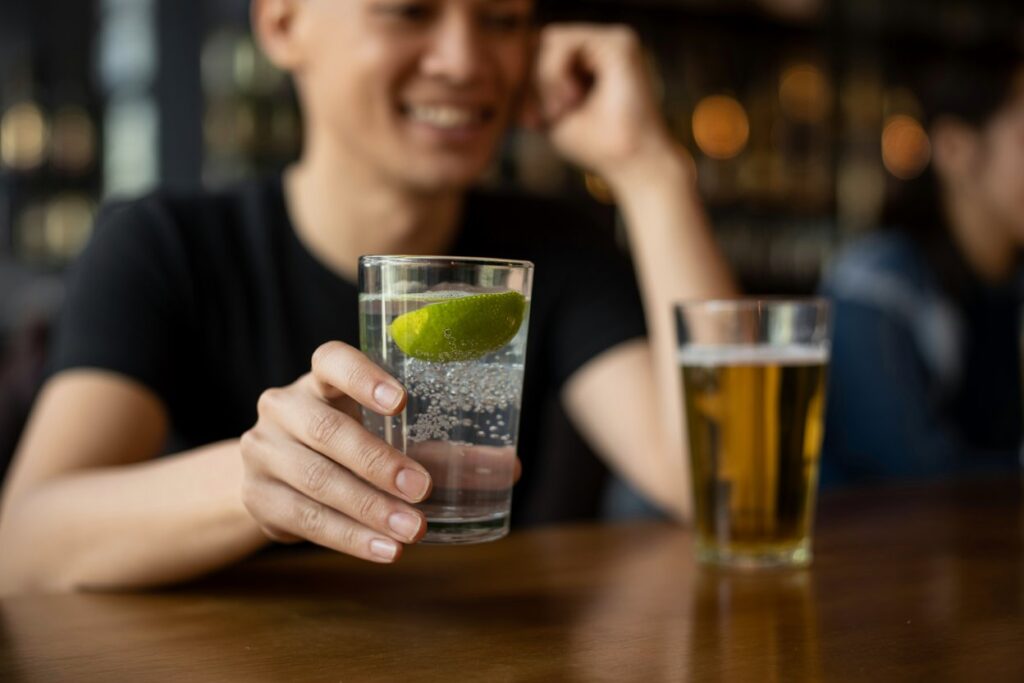
Stick to your normal fasting rhythm. No alcoholic or NA beer on fasting days. Log:
- Sleep quality
- Hunger patterns
- Morning energy
- Cravings
Week 2: Beer Inside the Eating Window
Add 1–2 beers on one or two nights, but only inside your eating window. Track the same metrics:
- How was sleep after drinking?
- Did you crave more food the next morning?
- Did your weight or energy shift?
Patterns usually become obvious within a week. The app makes it visible instead of emotional.
So… Does Beer Break a Fast?
Yes. Both alcoholic and non-alcoholic beers break a fast.
- They contain calories
- They contain carbohydrates
- Alcohol halts fat oxidation
- Both forms trigger a fed metabolic response
Beer can absolutely coexist with intermittent fasting, but not inside the fasting window. Place it in the eating period, plan for it, and use your fasting structure to support—not fight—your lifestyle.
If you want to understand how alcohol actually affects your hunger, cravings, or progress, use the Fasting App by Municorn to track your drinking patterns and see the truth in your own data.
Fasting isn’t about being rigid. It’s about learning what works for your body, so you can make choices on purpose—not by accident.