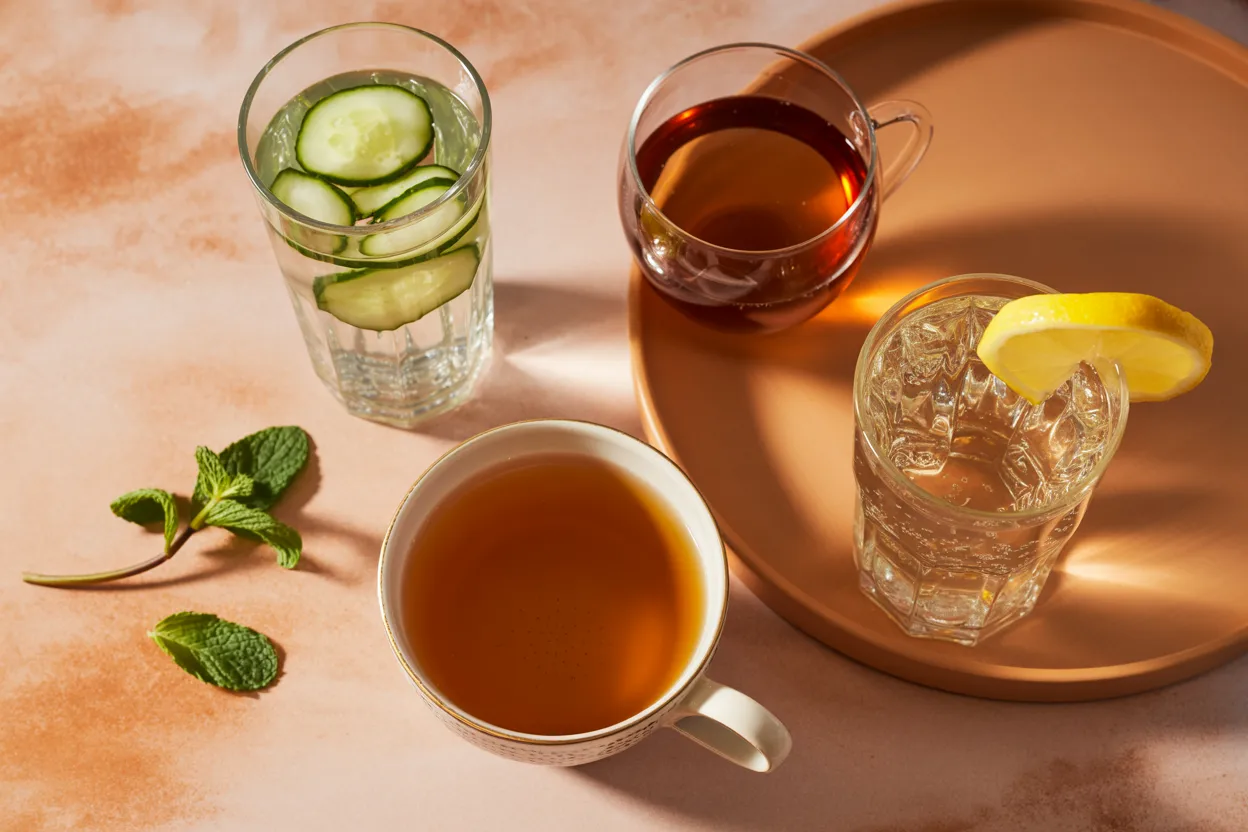
During a fast, your safest bets are water in any form, plain black coffee, and unsweetened tea — none of which will interrupt your fast as long as you keep additions calorie-free. Diet soda and a small splash of apple cider vinegar in water are generally fine too, though the science on both is still catching up. Anything with meaningful calories — juice, milk, bone broth, alcohol — will end your fast, even if it’s otherwise good for you.
Intermittent fasting is an eating pattern that involves alternating periods of eating and fasting—it focuses on when you eat rather than what you eat.
However, what to eat during intermittent fasting still gets a lot of coverage. From what foods to eat during your eating windows (to avoid missing out on key nutrients and to fuel your body with what it needs to thrive) to what foods not to eat during your fasting windows (to get the most out of your fasting journey), there’s a lot of material out there to help guide your meal choices to enhance your intermittent fasting experience.
But drinks have calories, too—and calories, from solid foods and liquids alike, are what can break a fast and throw off the potential benefits from the process.
So, what can you drink while fasting? How do you know what’s safe to choose, what not to include, and how you can tailor what you drink during intermittent fasting to maximize your results?
Let’s get into it.
An important disclaimer before we dive in:
Whether you’re just starting your intermittent fasting journey or you’re a seasoned pro, you should always discuss any changes to your lifestyle or eating habits with your primary care provider before you make them. You should be particularly cautious about fasting if you:
- are pregnant, breastfeeding, or trying to conceive;
- are under 18 or over 80 years;
- have a BMI in the “underweight” category;
- have a history of, or are at risk for, disordered eating;
- are under a lot of stress;
- have nutritional deficiencies;
- have an existing medical condition (like diabetes or insulin sensitivity); or
- take medications that affect blood sugar or blood pressure or need to be taken with food.
So, What Drinks Are Allowed During Fasting?
Since prescribing what specifically you consume isn’t part of the intermittent fasting ethos, everything is technically “allowed”—and no eating plan should get in the way of living your life.
The better question is: What drinks don’t break a fast? In other words, what can I drink while fasting to guarantee the integrity of my fasting period?
As with the fasting process in general, part of that answer depends on your individual needs and goals for fasting. What are you trying to achieve with your fasting period? If you want to avoid impacting ketosis (the natural fat burning and body-benefitting phase your body reaches after a certain amount of time without calories), you’ll want to be more cautious. Research hasn’t come to a consensus yet about how many calories interrupt a fast—especially as every body is different—but a general rule of thumb seems to be sticking to fewer than 10–50 calories (and ideally from fat rather than carb or protein, since the latter has a more minimal impact on your insulin levels). On the other hand, if you’re fasting for weight loss, you may not need to be quite as strict. Likewise, if you’re aiming for a clean fast (zero calories during your fasting window, apart from negligible ones in black coffee and tea) your approach to what you drink during fasting will differ from how you might approach the process during a dirty fast (which says a small amount of calories, usually 50–100, is a-okay).
With that in mind, here’s what’s on the table (or, rather, in your glass).
1. Water
Although the exact percentage depends on factors like sex, age, weight, and body composition, our bodies are about 60% water for most of our lives—which makes H₂O our most abundant chemical compound. From intercellular functions (such as regulating temperature, lubricating joints, transporting nutrients and waste, and providing structural and functional support for tissues and organs) to extracellular functions (such as preventing infections, balancing electrolytes, allowing communication between cells, maintaining blood pressure and volume, and removing metabolic waste), water is absolutely critical to our physical and mental well-being.
Water is also a health-benefitting heavyweight when it comes to intermittent fasting. It may support popular intermittent fasting goals like weight loss, boosted metabolism, and improved cognitive function. It also can help manage common intermittent fasting side effects like hunger, fatigue, and dehydration.
Long story short: Water is your ultimate ally, whether you’re fasting or not.
Whether you prefer it au natural or with some pizazz, water won’t interrupt your fast, as long as any additions or variations don’t add calories (such as through sweetened flavored waters). Some water variations that won’t break your fast include:
- Sparkling water. Carbonation doesn’t contain calories, and the sodium added to some fizzy waters may replenish your electrolyte reserves.
- Mineral water. Minerals don’t contain calories, either, and research shows mineral water may lead to reduced blood pressure and improved bone health.
- Lemon water. A wedge or small squeeze (up to a tablespoon) of lemon not only makes drinking water more flavorful but also enriches it with Vitamin C—which has a whole bunch of health benefits. Any fruit high in vitamin C (e.g., orange, grapefruit, kiwi, or guava) can have the same effect.
- Other fruit water. As long as you don’t snack on the fruit itself or add more than a squeeze of its natural juices, lemon isn’t the only infusion that can curb appetite and promote better hydration.
- Cucumber water. With its high water content, cucumber is a great way to add both taste and hydration. Plus, it’s also a powerhouse of vitamins and antioxidants.
- Herb water. Fresh herbs (e.g., basil, mint, tarragon, rosemary) or dashes of dried spices (e.g., cinnamon, ginger, cloves, turmeric) contribute only flavor, not calories.
2. Unsweetened Black Coffee
While that pumpkin spice latte or caramel frappuccino contain more than enough sugar to spike your insulin response and break your fast, coffee without additional milk, sugar, or additives contains very limited calories (a few per cup). So, if that morning cup of joe is an essential part of your routine, fear not! Due to its caffeine and antioxidants, black coffee has been associated with quite a few health benefits that overlap with potential benefits of intermittent fasting, too (such as weight loss, reduced inflammation, improved brain health, increased energy and alertness, and improved insulin sensitivity and metabolic health).
A tablespoon of added creamer or sweetener may not be the end of the road for your fast, but keep in mind that those tablespoons add up quickly if you consume more than one cup. Caffeine can also hit extra hard on an empty stomach, so while up to 400 mg is generally safe for most people (and one cup of coffee contains around a fourth of that), watch out for extra jitters or disturbances to your sleep.
3. Unsweetened Tea
Like coffee, tea can still be on your intermittent fasting menu as long as there’s no sugar and only a splash (if that) of milk or cream.
The good news is that most teas are virtually calorie-free (as long as they don’t have added sugar or honey), and all sorts of them are up for grabs (green, black, oolong, herbal, and more). So, there’s a lot of room for experimentation to choose your perfect brew without worrying about interrupting your fast.
Also as with coffee, tea has been linked to a range of potential health benefits that could overlap with intermittent fasting benefits, such as improved gut health and reduced inflammation as well as improved heart and metabolic health. Green tea has also been associated with feelings of fullness and supporting weight loss, while herbal tea may reduce blood sugar. Likewise, some teas are caffeinated, so that’s both something that could help support your fasting journey and something to consider if you have a lot of tea.
4. Diet Soda
By definition, these beverages are typically calorie- and sugar-free, so having one or two shouldn’t impact your fast. A glass or two of diet lemonade or other diet carbonated drinks may be safe, too, provided they don’t contain sugar.
However, these options are a bit of a scientific gray area since the artificial sweeteners they contain—while technically free of calories—may affect blood sugar levels and thereby break your fast. If you notice that drinking these beverages increases your cravings or hunger levels, it may not be a fasting-safe choice for you.
5. Apple Cider Vinegar
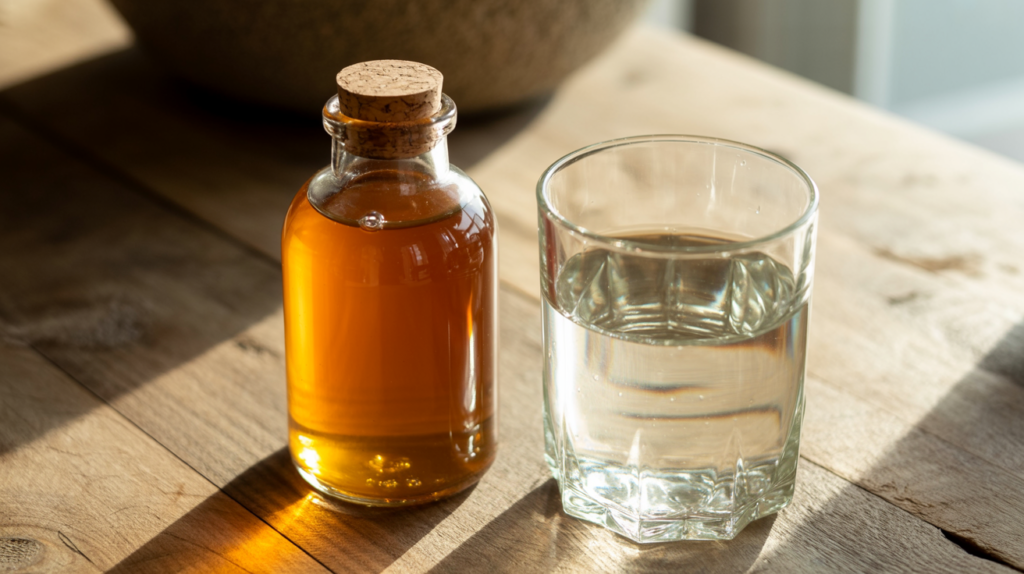
While drinking apple cider vinegar straight wouldn’t be the best choice—for your fast or your taste buds—a splash of it in water likely won’t interrupt your fast since the calories are negligible. Its acetic acid content may also be helpful for short-term appetite suppression and blood lipid levels.
Our bottom line when it comes to what you can drink during a fast is that your physical and mental well-being should always come first. If having your coffee or tea without a splash of milk feels soul-crushing, go for it. If you need a few bites of something or a swig of juice to swallow medication—and the timing of that can’t overlap an eating window—don’t let your fasting journey get in the way.
What Drinks to Avoid While Fasting
What drinks you should avoid while intermittent fasting again depend on your specific needs and goals, but generally speaking, beverages that contain calories should be saved for eating periods.
Some drinks to avoid may be obvious, but others—especially those options that are nutrient-dense and health-promoting overall—are more subtle.
1. Coconut water
Although coconut water is a nutrition superstar, it also contains carbohydrates, which will break your fast.
2. Milk
The same goes for milk. Every form of it—from dairy to calcium-fortified to plant-based—includes significant nutrition, but anything more than a tablespoon or two will break your fast since it will contribute to a rise in your blood sugar.
3. Juice
Fruit juice lacks fiber, which is what prevents blood sugar levels from spiking. Even options with no sugar added will contain enough natural sugars to trigger an insulin response and end your fast.
4. Bone broth
Although bone broth contains more protein and fat than it does carbs—so it won’t necessarily spike your blood sugar—those nutrients will still need to be digested properly, which means your body will snap out of its fasted state and get to work on funneling things to where they need to go.
5. Hot chocolate
Chocolate may be great for the soul (and dark chocolate has a powerful punch of antioxidants), but unfortunately even sugar-free hot chocolate generally surpasses the ideal calorie threshold for maintaining a fast (especially if you make it with milk).
6. Alcohol
Sadly while unsweetened iced tea is a go, Long Island Iced Tea is not. Even the lowest calorie alcohols like vodka and tequila contain more than 60 calories per ounce, and mixed drinks often feature heaps of sugar.
7. Drinks with supplements
There isn’t much research focused specifically on the effect of drinkable supplements during fasting periods, but typically things like protein powder, Athletic Greens, or MCT oil will have enough calories to break your fast.
Why Does What You Drink (or Don’t Drink) Matter?
There are two primary reasons your liquid intake during your fasting period matters:
- Staying hydrated. When you’re fasting, it’s really easily to become dehydrated. Maybe you misinterpret thirst as hunger, maybe eating less means fewer opportunities for ingesting dietary water, or maybe abstaining from all foods means you also accidentally abstain from drinking. We fundamentally need water to help every feature and function of our bodies, and dehydration can affect everything from physical and cognitive performance to gut, digestive, heart, skin, and immunity health.
- Keeping your fast intact. If you consume enough calories to trigger an insulin response in your body—which is how it processes what you eat and drink—your body will get to work on turning those nutrients into energy, muscle, and brain power. It’s only when your body reaches a fasted state—after it has digested everything and your insulin levels have dropped—that it’s primed to start burning fat for energy instead.
So, what you drink during fasting is important for your safety and well-being while what you don’tdrink is important for tapping into the benefits of intermittent fasting.
Are There Any Drinks to Avoid or Limit During Your Eating Window?
Putting aside any dietary restrictions and specific suggestions from your doctor, whether or not you limit or avoid certain beverages even during your eating period comes down to your goals for fasting and how your body reacts to different substances.
For instance, decreasing alcohol consumption can be helpful for weight loss, particularly for people who have diabetes. Likewise, too much caffeine could reduce sleep duration and lead to an increase in blood pressure, especially for individuals with hypertension. Furthermore, high-sugar soft drinks could negatively impact metabolic health and digestive health.
As with most things in life, no matter what your goals are, moderation is key. There’s no drink that is inherently bad, but equally some are more nutrient-dense and health-promoting than others. To get the clearest idea of what might work best for you, your body, and your fasting journey, we always recommend discussing different plans with your primary care provider—especially if you’re considering any drastic changes.
TL;DR
When you’re fasting—and when you’re not—water is your best friend. Staying hydrated should come first for both your health and fasting success.
Other low-to-no-calorie drinks like black coffee and tea are also generally okay, as long as you don’t add sugar or more than a single splash of milk, but be mindful you don’t overdo it on caffeine. The science is still mixed about diet soda and apple cider vinegar, but limited amounts of both shouldn’t be a problem.
To keep the integrity of your fast, avoid beverages with calories, even if they’re good sources of nutrition. Depending on your needs and fasting goals, you may also want to consider limiting caffeinated, alcoholic, and sugary drinks even during your eating window, too.
Knowing your reasons for fasting and knowing your body are crucial for approaching your meal and drink choices wisely and safely during and beyond your fasting window. We always recommend looping in your primary care provider to provide valuable insight into nutrition, plan your approach, and support you and your body through the process.
Can I drink anything the moment I wake up, or do I need to wait?
You can drink water, black coffee, or unsweetened tea as soon as you wake up — there’s no waiting period. Your fast is already underway from the night before, and none of those will interrupt it.
Does drinking more during a fast make hunger worse?
Generally the opposite. Staying well hydrated can help blunt hunger signals, since thirst is often misread as hunger. Water and herbal tea in particular may help take the edge off during longer fasting windows.
If I accidentally drank something that broke my fast, should I stop fasting for the day?
Not necessarily. One slip doesn’t have to derail the whole window. Depending on what you drank and how much, you can either reset your fast from that point or simply continue and treat the day as a learning one — consistency over time matters far more than any single day.
Do I need to drink more than usual when fasting?
Possibly, yes. Food contains more water than most people realise — fruits, vegetables, and even cooked grains contribute to daily fluid intake. When you’re eating less, you lose that dietary water, so you may need to compensate by drinking more deliberately than you would on a non-fasting day.
Can the temperature of a drink affect whether it breaks a fast?
No — whether something is hot, cold, or room temperature has no bearing on whether it breaks a fast. What matters is the calorie and macronutrient content, not the temperature.