


The 20:4 fasting method, also known as the Warrior Diet, is a time-restricted intermittent fasting approach where you fast for 20 hours and eat within a 4-hour window. Most people choose a consistent eating window such as 2:00-6:00 p.m. or 4:00-8:00 p.m., and may include one larger meal or one meal and one snack to meet nutrient needs. It is most similar to the one-meal-a-day (OMAD) fasting method, in which you eat for one hour a day.
Like all fasting methods, 20:4 intermittent fasting does not impose rules on what you can or can’t eat, although nutritious, whole foods are encouraged whenever possible. While this more advanced fasting method can work for the right person, you’ll get the best results by pairing expert guidance from your healthcare team with a high-quality support tools like the Fasting App.
In this article, we’ll dive deeper into the 20:4 fasting method, sharing sample meal plans and expert tips for success.
What is 20:4 Intermittent Fasting?
Compared to more common fasting schedules like 16:8 or 14:10, a 20:4 fasting method is significantly more structured and requires longer stretches without food. People who implement the 20:4 approach may use it to simplify their day, regulate appetite, and improve metabolic health. My clients who have tried less restrictive fasting approaches for several months may sometimes consider 20:4 to challenge themselves.


If you also have hectic days and struggle to fit in regularly scheduled meals, a 4-hour window in the early evening may sound appealing to you.
Because the fasting window is fairly long, 20:4 is generally best suited for people with prior fasting experience. It’s normally not recommended for beginners, people with higher energy needs, or if you’re prone to disordered eating, where strict diet rules can exacerbate eating disorder behaviors.
Benefits of 20:4 Fasting
Proponents of a 4-hour window suggest that our bodies are programmed to fast for longer periods to help us survive in the caveman era. The 20:4 approach may offer benefits similar to other fasting methods, such as 18:6, 14:10, 16:8, and alternate-day fasting (ADF).
Improved fat burning
Extended fasting periods beyond the more common 16:8 methods can support metabolic flexibility, helping the body switch more efficiently between carbs and fat for fuel. This metabolic switch provides fat-burning benefits in a similar way to the keto diet.
This process induces ketosis, where the body starts to dip into fat stores for energy instead of glycogen (e.g., stored carbohydrates). This switch typically occurs after at least 12 hours, but may be more, depending on how much glycogen an individual has stored in their body.
Weight loss

In addition to the potential to induce ketosis and burn body fat, the long fasting window with 20:4 may naturally reduce overall calorie intake without the need for strict calorie counting. When you have a shorter window of time to eat in this way, it can make it easier to reduce your calorie intake, which can be a benefit if weight loss is one of your goals.
Reduced insulin resistance
Research shows 4-hour eating windows may also improve insulin resistance and insulin sensitivity, which can support healthier blood sugar levels. However, this length of fasting may not be necessary to achieve these blood sugar benefits, and even a 12 to 16-hour fast such as in 12:12 or 16:8 fasting, is shown to support type 2 diabetes management.
This same research shows time-restricted fasting methods like 20:4 may have the potential to reduce markers of inflammation in polycystic ovary syndrome (PCOS), a hormonal condition in women associated with obesity and insulin resistance.
What Should I Eat With 20:4 Fasting?
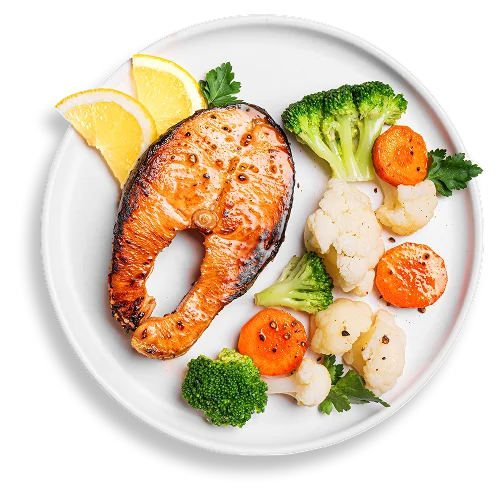
Because the 20:4 method allows very limited eating time, choosing nutrient-dense foods is essential to meet protein, vitamin, mineral, and fiber needs.
Foods to eat
- High-quality proteins:
- Chicken, turkey, fish, seafood, eggs, tofu/tempeh, Greek yogurt, cottage cheese, legumes, lean ground beef
- Healthy fats:
- Avocado oil, olive oil, nuts, seeds, nut butters, fatty fish
- Colorful fruit:
- Low-calorie fruits like berries, apples, bananas, watermelon, peach, mango
- High-fiber carbohydrates:
- Beans, lentils, chickpeas, quinoa, oats, sweet potatoes
- Non-starchy vegetables:
- Leafy greens, peppers, broccoli, zucchini, squash, cauliflower, cucumbers
- Other gut-supporting foods:
- Yogurt, kimchi, sauerkraut, fermented foods, miso
- Hydration during non-fasting hours:
- Water, black coffee, fruit-infused water, herbal tea, sparkling water
Foods to limit
These foods can interfere with blood sugar balance, hunger regulation, or overall nutrient intake, especially when you only have a 4-hour window.
- Ultraprocessed foods:
- Fast food, packaged snacks, processed meats, fried foods
- Sugary foods/desserts:
- Candy, pastries, sweetened beverages
- Refined carbohydrates:
- White bread, white pasta, sugary cereals
- Excessively high-fat or heavy meals:
- Large portions of creamy dishes, fried foods, or heavy sauces
- Alcohol:
- This includes all alcohol, such as wine, beer, or spirits. Especially on an empty stomach, alcohol can interfere with appetite cues and fill you up faster (leaving less room for other nutrient-dense foods)
Sample 20:4 Fasting Meal Plan
When you only have a 4-hour window, every bite counts. Here is a simple one-day meal plan to get you started for a 4:00-8:00 p.m. eating window.
*Portions may vary based on your unique nutriotion needs.
Balanced Snack: 4:00 pm:
- 1 cup plain Greek yogurt or cottage cheese
- ½ cup berries
- 1 tablespoon chia seeds
- 1 oz sliced almonds
- 1 tablespoon peanut or almond butter
- Optional: drizzle of honey or cinnamon
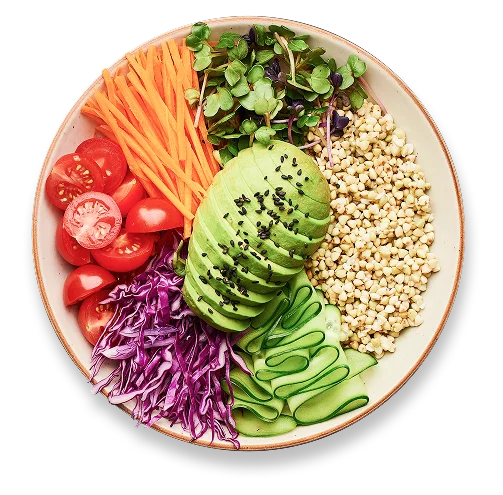
Dinner: Mediterranean Bowl, 7:00 p.m:
- 6 oz of baked salmon
- 1 cup cooked quinoa
- ½ cup cooked lentils
- 1 cup of roasted vegetables (zucchini, broccoli, bell peppers)
- ¼ cup of fresh cherry tomatoes
- 1 oz of feta cheese
- Optional: drizzle of olive oil and balsamic glaze
How and When to Start 20:4 Fasting
If you’re curious about diving into 20:4 fasting, here are a few things to consider before you take the leap.
Consult with your healthcare team
Before you start any intermittent fasting plan, it’s a good idea to check with your healthcare team to ensure it’s the right fit for you.
Try a more flexible fasting method first
It’s a great idea to start the 20:4 fasting approach after successfully completing a certain period of a more flexible fasting method, such as 16:8.
Do some meal planning and preparation

This will help reduce decision fatigue when meal times come and make sure you’re hitting nutrient goals.
Who 20:4 may be good for
The 20:4 intermittent fasting diet is not for everyone, as it requires greater discipline. However, it may offer benefits if you fit into one of the following scenarios.
You are an experienced faster
Stricter fasting regimens, such as 20:4, are better suited for someone with fasting experience and who has already been successful on more flexible plans (such as 16:8). Bottom line – being an experienced faster is a safety must for this plan.
You prefer a simplified meal schedule
If you have a demanding schedule or are overwhelmed with meal prep, you may prefer a simplified eating plan like 20:4, where you only have to plan one daily meal and snack.
You’re looking to lose body fat
Research shows that 20:4 fasting may help with weight loss and fat reduction, as it switches your metabolism to burn fat for fuel instead of carbs and reduces the amount of time you’re able to take in calories.
In one 2022 study involving 58 people, the effects of 4- and 6-hour time-restricted eating windows on weight, insulin resistance, and cardiovascular health were investigated. Adults with obesity were randomly assigned to one of two groups – a 20:4 schedule (3:00-7:00 p.m. eating window) or an 18:6 schedule (1:00-7:00 p.m. eating window) for 8 weeks. Calorie intake was naturally reduced by around 550 calories per day in both groups, without them actively counting calories.
Due to this reduction in calories, both groups lost about 3% of their body weight on average over the 8 weeks, suggesting that the results are comparable for both the 20:4 and 18:6 fasting methods. Both groups also saw improvements in insulin resistance and fasting insulin levels, suggesting a blood sugar-lowering benefit as well.
There were no significant improvements in cardiovascular benefits, such as lowering cholesterol, blood pressure, or triglycerides seen in either group.
Bottom line⸺the benefits, especially in terms of weight loss, appear to be pretty equivalent whether you choose 18:6 or 20:4. This is good news for someone who wants a little more flexibility in their fasting schedule and finds 20:4 hard to stick to.
You have insulin resistance or PCOS
Research supports the benefits of intermittent fasting and a 4-hour eating window on metabolic health. Patients with insulin resistance and related conditions, such as type 2 diabetes and PCOS, may benefit from a 20:4 fasting approach that promotes glycogen depletion and fat burning as fuel. However, more research is needed to prove that this fasting approach is superior to others for those with PCOS.
For example, one small study sorted 25 healthy participants into three fasting groups. These participants did not have diabetes or PCOS.
- 16:8 fasting
- 20:4 fasting
- ADF fasting
All groups followed a few core habits:
- Logged food with an app
- Had their body composition measures checked (e.g., fat mass, muscle)
- Wore continuous glucose monitors (CGMs) to track their blood sugar
- Took blood tests to check lipids, ketones, and a complete blood count
The results showed that following 20:4 supported the maintenance of blood sugar levels already within the healthy range. It was suggested that 20:4 may indirectly help manage PCOS via its ability to reduce calories and produce weight loss.
Bottom line⸺more research is needed on 20:4’s effects in those with PCOS specifically, not just in healthy people.
Expert Tips for 20:4 Fasting Success
If you are a more experienced faster or highly disciplined individual, you may now be curious about 20:4 intermittent fasting. While it is not the first-line approach we’d recommend on the Fasting App, here are a few tips on doing it more safely if you decide to try it.
Transition slow
Don’t just dive right into a 4-hour eating window overnight. Instead, start with a more flexible fasting approach and gradually move to a shorter eating window over a course of several weeks to months. Starting with 16:8 or 18:6 fasting may be a better place to start, then gradually dial things down.
Prioritize nutrient-dense foods
With a small eating window, it’s essential to prioritize nutrient-dense foods to avoid nutrient deficiencies and related consequences. Some of the top foods to pack on your plate include lean proteins, fruits and vegetables, whole grains, and healthy fats like avocados and nuts to ensure you get in essential nutrients for optimal energy and health.
Consider supplementation
It may be hard to get all the nutrients you need with a 4-hour eating window. Because of this, I often recommend that my fasting clients supplement with a high-quality multivitamin, fiber, protein powder, or single-nutrient supplements to address any dietary deficiencies. If you’re not sure what you need, consult with your medical provider or a registered dietitian with knowledge on intermittent fasting.
Plan your meals in advance
Meal planning in advance helps you be strategic about what you eat during your 4-hour window and sets you up for nutritional success.
Experiment with tracking
Tracking calorie and nutrient intakes, such as protein and fiber, can help you notice any gaps in your nutrition and if you’re hitting your daily targets within your eating window. You can track all of this in the Fasting App easily and keep track of the habits that are working (or not working) for you.
Stay hydrated
Staying hydrated during your fasting window is essential to avoid dehydration that can lead to headaches, fatigue, and weakness. Sip water, calorie-free seltzer, or herbal tea throughout the day to meet hydration goals and keep your energy at its best.
Get support and guidance
When pursuing more strict fasting approaches like 20:4, it’s recommended to do so under the guidance of a qualified fasting professional, such as a registered dietitian, to ensure you’re practicing it safely and most effectively.
Special Considerations
While 20:4 can provide benefits, it’s not the best method for everyone. It is not recommended for beginner fasters or those who are:
- Pregnant, trying to conceive, or breastfeeding, as a 20:4 eating window makes it difficult to meet the higher calorie, protein, and micronutrient demands during these life stages.
- Anyone with a history of an eating disorder, since highly compressed eating windows and rigid rules can trigger or worsen disordered eating patterns.
- Those with uncontrolled diabetes, because blood sugar fluctuations may be harder to manage on a prolonged fast, and medications often require careful adjustment under medical supervision. If you have diabetes and are considering any fasting method, discuss this with your primary doctor or endocrinologist first to see if your diabetes medication or dose needs to be adjusted.
- Individuals on medications requiring food or multiple timed doses, as the 20:4 schedule may interfere with proper medication absorption, safety, or consistency.
Remember to always speak to your doctor and registered dietitian before starting a fasting regimen, even if you don’t have any of these contraindications.
Key Takeaways
The 20:4 intermittent fasting method can be a helpful tool for experienced fasters who prefer a structured routine, but your overall success ultimately depends on how well you nourish yourself within that 4-hour eating window. As a dietitian, I consistently remind my clients that long-term results come from balancing nutrient density, adequate protein, hydration, and realistic expectations—not from restriction alone.
If you choose to try 20:4, go slowly, listen to your body, and treat your food choices wisely to support optimal energy, appetite regulation, and overall health.Remember that you never have to navigate your fasting experience alone. The Fasting App gives you step-by-step support, tracking tools, community, and expert-backed guidance to help you stay consistent and make informed decisions throughout your journey.