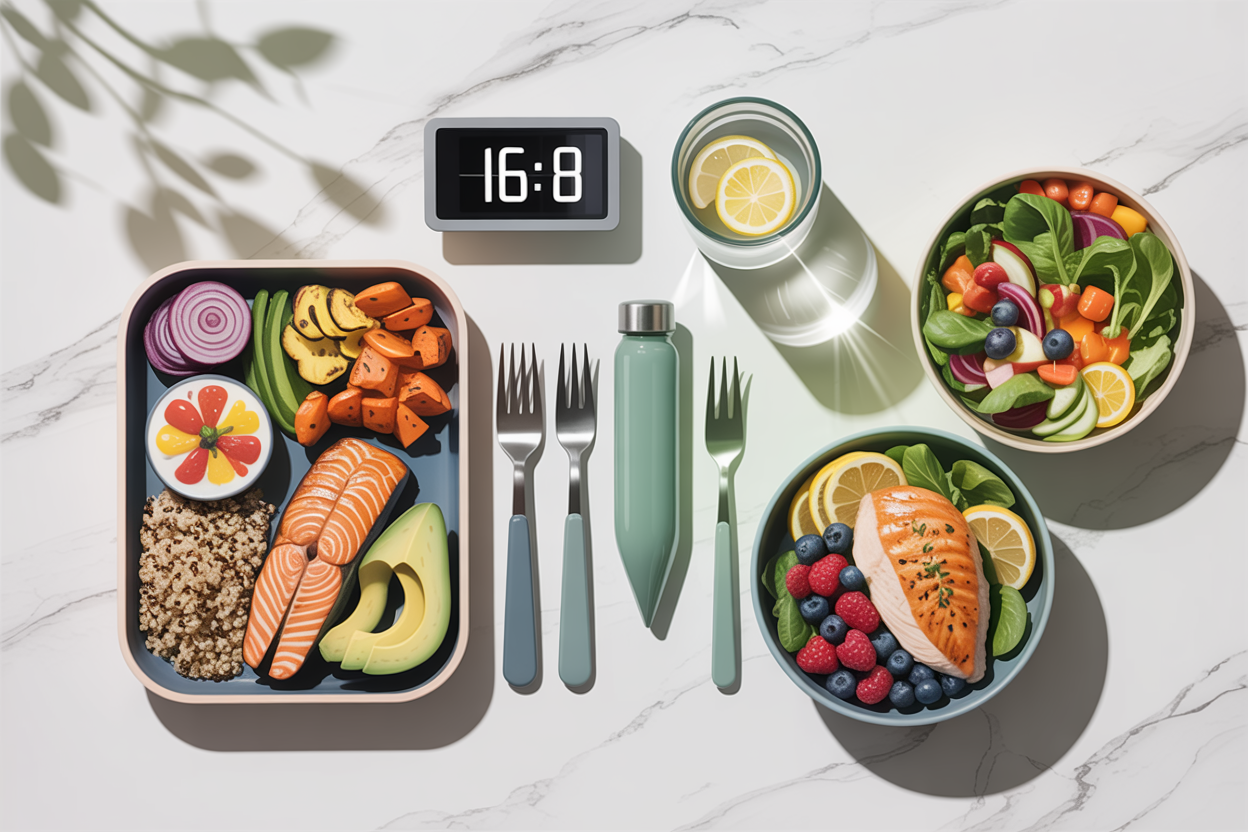

Intermittent fasting has remained a popular approach to healthy eating, especially among those who may dislike counting calories. Instead of focusing on what to eat, an intermittent fasting diet plan centers on when to eat. Among all fasting methods, the 16:8 method is one of the most common and approachable ways to get started if you’re a beginner.
With the 16:8 plan, you’ll structure your day into an 8-hour eating window and a 16-hour fasting window. But if you’re a fasting novice, you may be wondering how to best fit your meals and snacks into a 16:8 schedule.
Keep reading for a complete 16:8 intermittent fasting 7-day meal plan that you can use to guide you as you get started. This plan balances nutrition and meal timing to optimize your results with this intermittent fasting method.
Always speak to your doctor or a registered dietitian before starting a fasting plan, especially if you take medications or have a chronic medical condition like diabetes.
What is 16:8 Intermittent Fasting?
The 16:8 intermittent fasting method involves fasting from calorie-containing items (while enjoying zero-calorie foods and drinks) for 16 hours and eating within an 8-hour window. It is a form of time-restricted fasting, with clear “on” and “off” times for eating.
The exact schedule for a 16:8 plan can vary depending on the individual, their preferences, schedule, and lifestyle. For example, someone who is an early bird who likes to exercise in the morning may prefer an earlier eating window, such as 7:00 a.m. to 3:00 p.m., while someone who enjoys socializing in the evening may find a later eating window easier to stick to, such as 12:00 p.m. to 8:00 p.m.
The timing can also be flexible when needed to fit your lifestyle, but the key is to try to stick to an 8-hour eating window for as many days of the week as possible.
Before starting, it’s important to note that while there are no specific “rules” about what you can or can’t eat with intermittent fasting, making nutritious, whole-food choices whenever possible will yield the best results. Following a 16:8 fasting regimen can naturally reduce your calorie intake by condensing your eating window, but only if you stay within a healthy calorie range during that time.
16:8 Intermittent Fasting 7-Day Meal Plan
Here is a 16:8 7-day intermittent fasting meal plan to get you started for an eating window of 12:00 p.m. to 8:00 p.m.
| Breakfast (12 PM) | Lunch (3 PM) | Snack (5 PM) | Dinner (7 PM) | |
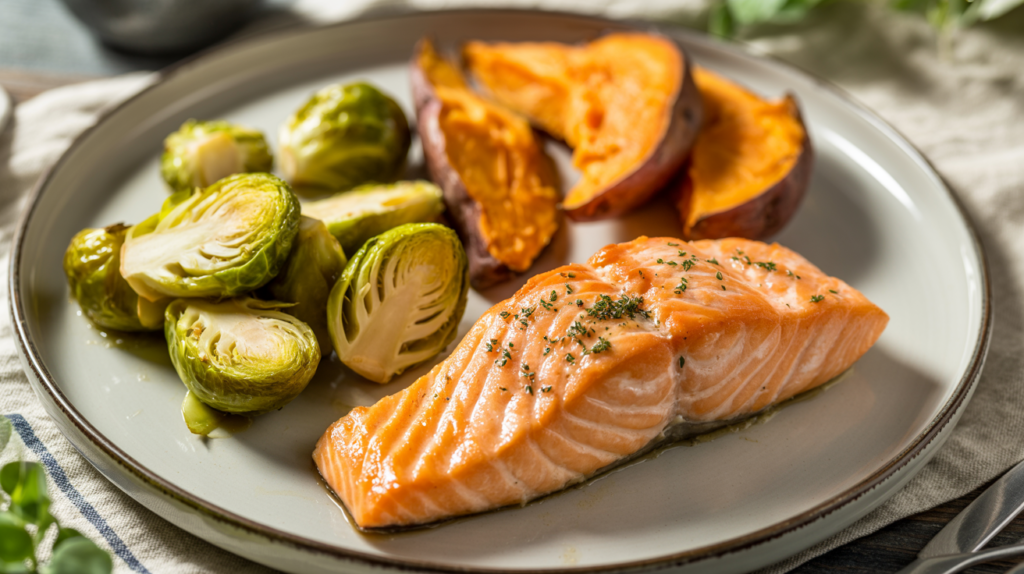
| Day 1 | Greek yogurt + berries + chia seeds | Turkey quinoa bowl with spinach, carrots, avocado | Apple + 2 Tbsp almond butter | Baked salmon, roasted Brussels sprouts, sweet potato |
| Day 2 | Protein smoothie (protein powder, spinach, banana, flaxseed) | Lentil + veggie soup + side salad | Cottage cheese + pineapple | Chicken stir-fry with veggies + brown rice |
| Day 3 | Oatmeal with walnuts, cinnamon, and blueberries | Tuna or chickpea salad wrap on whole-grain tortilla | Carrots + hummus | Turkey chili with beans, peppers, onions |
| Day 4 | Avocado toast on whole-grain + 2 boiled eggs | Farro bowl with grilled chicken, tomatoes, zucchini | Protein bar or shake | Shrimp pasta (whole-grain or chickpea) + broccoli |
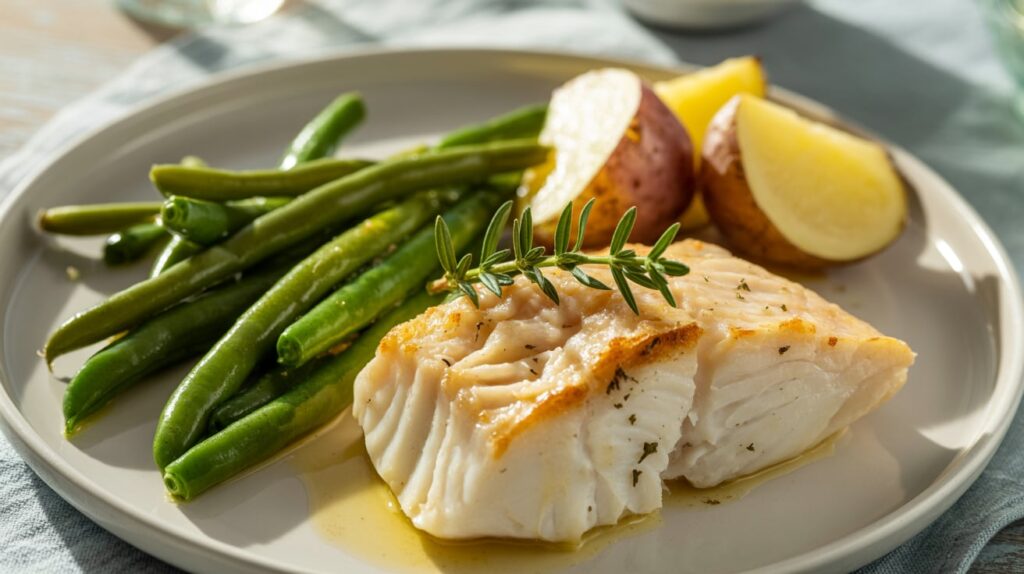
| Day 5 | Tofu scramble (or eggs) + roasted veggies | Avocado black bean quinoa salad | Handful of mixed nuts | Baked cod, green beans, red potatoes |
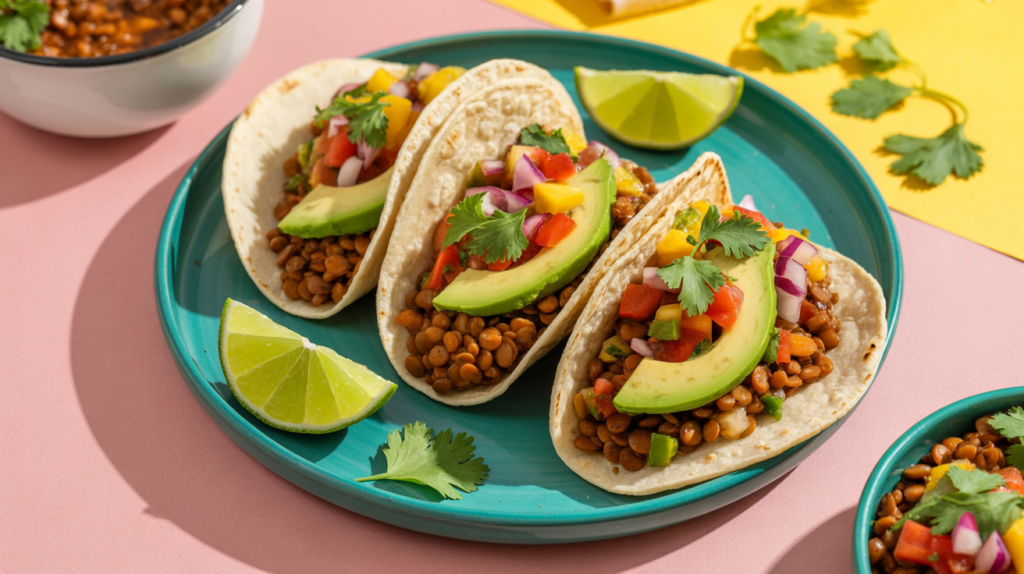
| Day 6 | Chia pudding with berries + hemp seeds | Brown rice Buddha bowl (tofu/chicken, cabbage, carrots, edamame) | Trail mix (small handful) | Lentil tacos with avocado + salsa |
| Day 7 | Whole-grain toast + peanut butter + banana slices | Large veggie omelet (or tofu scramble) + mixed greens | Greek yogurt + almonds | Roast chicken (or chickpeas), asparagus, cauliflower, wild rice |
Remember that this intermittent fasting diet plan serves as an example, and you can tweak the times, cut out the snack, or make any other modifications that work best for you. The most important thing is that you get in nutritious foods during your eating window.
Benefits of 16:8 Fasting
The 16:8 intermittent fasting diet plan is one of the most well-studied fasting methods and offers more than just a simplified eating structure. Research shows it may help support weight management, insulin sensitivity, heart health, and more.
Weight loss
The 16:8 method has shown potential to support weight loss in several studies, even when not followed every day of the week. This fasting approach can be beneficial for weight loss for several reasons.
See progress you can feel — and measure.
Daily check-ins to keep you motivated and accountable.
First, narrowing your eating window to 8 hours may naturally reduce your calorie intake enough to put you into a calorie deficit for weight loss. And if you are someone who normally grazes throughout the day or eats over a long period of time, shifting to an 8-hour eating schedule can have a bigger calorie-reducing impact compared to your usual.
Some research also shows that 16:8 fasting doesn’t appear to increase hunger when compared to a continuous daily calorie restriction. In some people, this can make it easier to follow a reduced-calorie diet.
Anecdotally, I’ve also found that transitioning some of my nutrition clients to a 16:8 schedule helps them move past weight-loss plateaus.
Improved insulin resistance
Research shows that fasting for 12 to 16 hours can improve insulin sensitivity in people with type 2 diabetes. Even fasting for as little as 10 hours is shown to have some of these same benefits, such as when following a 14:10 plan. Fasting for 12–16 hours, as practiced in a 16:8 schedule, allows insulin levels to fall long enough for your cells to become more responsive to it again.
When you’re eating frequently throughout the day and over a longer duration, insulin stays elevated, and over time, the body may become less sensitive to it—a pattern seen in insulin resistance and type 2 diabetes. Improving your body’s sensitivity to insulin can support healthier blood sugar levels and reduce your risk of other metabolic conditions, such as high blood pressure and high cholesterol.
Extending the time between meals and giving the body and digestive system a complete 16-hour rest break can help reduce constant insulin stimulation. Research suggests this can improve insulin sensitivity and help regulate blood glucose levels.
Blood pressure and heart health support
16:8 intermittent fasting can improve blood pressure and cholesterol levels, both of which can reduce heart disease risk. One study showed that time-restricted fasting approaches like 16:8 reduced systolic blood pressure (i.e., the top number in a blood pressure reading).
Another study suggested 16:8 may protect the heart by raising HDL cholesterol (the “good” cholesterol) levels in those with sub, which is protective for the heart.
Again, bigger benefits will likely be seen in those who follow a healthy diet within their eating window.
Reduced inflammation
Some studies show time-restricted fasting schedules like 16:8 have the potential to reduce markers associated with inflammation. Since chronic inflammation is associated with many diseases, such as diabetes, heart disease, and autoimmune conditions, this provides a positive picture of the anti-inflammatory health potential of intermittent fasting.
While more research is needed on how these reduced inflammatory markers may impact health, it offers a positive outlook.
What Should I Eat During 16:8 Fasting?
Technically, no foods are off-limits during 16:8 fasting. With that said, the following foods can help you feel your best, manage appetite, and get the most out of this way of eating.
Vegetables
Vegetables add volume, fiber, and key vitamins and minerals to your meals, helping you feel full without overeating. Non-starchy veggies like leafy greens, peppers, zucchini, and broccoli are especially helpful for supporting steady blood sugar and digestion, and are incredibly filling without packing on many calories.
Fruit
Fruit provides energizing carbohydrates, hydration, and fiber to help keep your blood sugar stable and hunger at bay during your eating window. High-fiber, lower-calorie fruits like berries, apples, and citrus can keep you satisfied without weighing you down.
Lean proteins
Protein is a must for staying satisfied during fasting periods, as it helps reduce cravings and supports metabolic health. Lean proteins like poultry, seafood, tofu, beans, and plain Greek yogurt also protect muscle mass, which is especially important if your goal includes weight loss and a faster metabolism. Combining adequate protein intake with regular resistance training will yield the greatest muscle-building benefits.
Whole grains
Whole grains provide slow-digesting carbohydrates that keep energy sustained throughout your eating window, which can make it easier to ease into a fasting schedule. Nourishing varieties like quinoa, oats, farro, and brown rice deliver fiber and nutrients that support fullness and digestive health.
Healthy Fats
Healthy fats, in moderation, add flavor and richness to meals. Foods like avocado, nuts, seeds, and olive oil support heart health and pair well with lean proteins and vegetables to create balanced meals. Enjoying these foods in small portions supports your fasting journey while keeping your calorie intake in check.
What Should I Avoid During 16:8 Fasting?
While nothing is forbidden on a fasting plan, limiting certain items can help keep your energy, blood sugar, and hunger more stable—making the fasting window feel much easier.
Foods to limit during eating periods include:
Sugary beverages like soda, sweetened teas and coffees, and energy drinks. These can cause blood sugar spikes and crashes, which can increase hunger. They are also mostly empty calories that get in the way of more nutritious choices during a shorter eating window.
Ultra-processed snacks like potato chips, cookies, candy, and pastries. These are low in nutrients and easy to overeat, which can make fasting harder than it needs to be.
Refined carbohydrates like white bread, white pasta, and sugary cereals. These options digest quickly and are low in fiber and other filling ingredients, which may leave you hungry shortly after.
Fried or greasy foods. These can slow digestion, cause digestive upset in some people, and leave you feeling sluggish during your eating window.
Alcohol. Any type of alcohol (yes, even wine) adds empty calories, impacts sleep, and may increase late-night cravings during your fasting windows. And while the current Dietary Guidelines for Americans still suggest modest alcohol intake of 1-2 drinks per day is okay, more experts and research studies are pointing to its negative effects at any level of consumption.
How to Start 16:8 Fasting
Start gradually
If you’re new to intermittent fasting, ease in by slowly narrowing your eating window. It may be helpful to start with a 14:10 or 12:12 schedule for a week or two, then transition to 16:8 once your body adapts. This tiered approach helps reduce hunger, fatigue, and overwhelm during the adjustment phase.
And if you need a little extra time to adapt, you can also temporarily transition back to a longer eating window, or stick to a longer one if that is most flexible for you.
Prioritize nutrient-dense foods
When you have a shorter eating window, the food choices you make matter even more. Prioritize nutrient-rich foods on our list, like fruits, veggies, lean proteins, and whole grains, to ensure your nutrition needs are met during the 8 hours.
Hydrate
As you adjust to fasting, you may feel hungrier at times. Drinking more water and other calorie-free beverages like seltzer, unsweetened tea, and black coffee can help curb hunger and support energy all day. Consuming water-rich foods, such as cucumbers, celery, watermelon, apples, and berries, is also recommended to help meet your daily hydration goals.
Expert Tips for 16:8 Fasting Success
Plan your meals ahead of time
Because your eating window is shorter, planning balanced meals and snacks helps you avoid rushing, undereating, or overeating once the window opens. Knowing what you’ll eat for your first meal—often when you’re most hungry—helps keep blood sugar steady and prevents impulsive choices.
Build a flexible workout routine
Activity pairs well with fasting, but timing matters. Many people feel best doing moderate- to high-intensity workouts during their eating window, when they have more fuel available. Lighter movement like walking or stretching can be great during your fast, whether that’s early morning or later in the evening.
Use tracking tools for structure
Fasting apps or timers like the Fasting App Tracker & Timer can help you stay consistent with your chosen eating window, send gentle reminders, and provide community support. Tracking can also make it easier to note which patterns, schedules, and types of food help you feel your best.
Prioritize consistency-not perfection
The goal with 16:8 isn’t rigid perfection. If you shift your window of time or have a day that feels off, simply return to your routine at the next opportunity. What matters most is showing up for yourself with flexibility and self-compassion as much as possible.
Special Considerations
While 16:8 is one of the most popular fasting methods, it’s not for everyone. You should proceed with caution if you:
- Are pregnant, trying to conceive, or breastfeeding, as a short eating window may make it difficult to meet elevated nutrition needs.
- Have a history of an eating disorder, as diet rules and structured on and off eating times can exacerbate disordered eating behaviors.
- Are diagnosed with uncontrolled diabetes, as medications like insulin may need to be adjusted or completely stopped on fasting days.
- Are prescribed medication that needs to be taken with food or spread out throughout the day, to ensure you’re able to take it at the right times.
Remember to always speak to your doctor and registered dietitian before starting any fasting regimen, even if you don’t have any of these potential contraindications.
Frequently Asked Questions about the 16:8 Eating Plan
Is there an ideal time to eat on a 16:8 plan?
Some research suggests greater benefits from an earlier eating window (such as 7:00 a.m. to 3:00 p.m.), as it aligns with your circadian rhythm and best supports metabolism, hormone regulation, and heart health. However, the best results will result from following a schedule that fits your life and you can stick to.
What is a good first meal to have when intermittent fasting?
A great first meal includes protein, fiber, and healthy fats to stabilize blood sugar and keep you full. It should be balanced but not too heavy to ease your digestive system back into eating mode. Think Greek yogurt with berries, eggs with veggies, or oatmeal topped with nuts and seeds.
How many meals should I have on a 16:8 fasting schedule?
There is no hard-and-fast rule, but eating two to three meals and possibly one snack is typically recommended to meet daily nutritional needs. The exact timing and number of meals can vary depending on your schedule and personal preferences, as long as you get in enough nutrition by the end of the day.
Can I drink coffee during the fasting window?
Yes—black coffee, plain tea, water, and other calorie-free drinks like seltzer or flavored water are all allowed beverages you can drink while fasting. Just make sure to avoid cream, sugar, and other calorie-rich add-ins that can break your fast.
Will I get hungry before my eating window starts?
Mild hunger is normal at first as you adjust to time-restricted eating. Staying hydrated, staying busy, and gradually easing into the schedule can reduce hunger. Research shows most people adapt within 2-4 weeks, and I’ve seen this in my own practice.
Key Takeaways
Starting a 16:8 intermittent fasting routine can feel like a big shift, but with balanced meal ideas, steady hydration, and a consistent schedule, it becomes a simple rhythm that supports your overall well-being. As you experiment with this 16:8 intermittent fasting 7-day meal plan and find the schedule that feels best for you, remember that true progress comes from consistency, not perfection.
For structure, reminders, and motivation, the Fasting App by Municorn guides your schedule, tracks your patterns, and supports your fasting goals every step of the way.