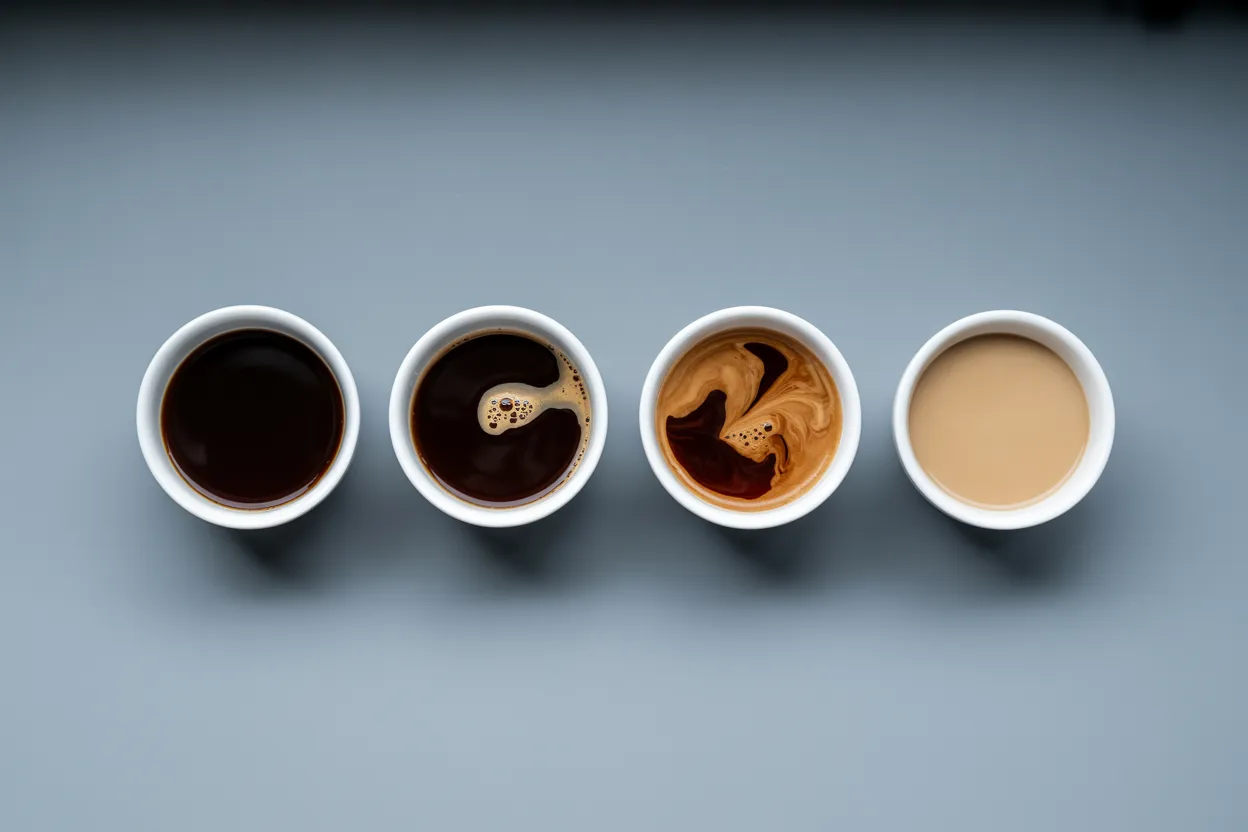


From early morning brews to mid-afternoon pick-me-ups to after-dinner digestifs, coffee is one of the most popular beverages around the world. It’s also packed with caffeine, antioxidants, and other bioactive compounds that can connect to a range of potential health benefits.
So, it’s no surprise that when it comes to what you can drink while intermittent fasting, one of the most widely asked questions is: Does coffee break a fast, or can you have coffee while fasting?
Whether you’re after a general answer, something more specific (like “Does black coffee break a fast?”), or something more individual (“Can I drink coffee while fasting?”), we’ll break down everything you need to know about coffee and intermittent fasting.
The Short Answer: Coffee Won’t Disrupt Your Fast
Let’s start with the good news first: Coffee in its natural form (plain, black coffee) won’t break your fast. (The same goes for unsweetened plain tea, too, for the record.)
A cup of black coffee typically contains very few calories (2–5) and minimal amounts of nutrients like fat, protein, and minerals. While there’s no consensus on exactly how many calories will break your fast—there are lots of individual factors at play—fewer than ten calories is generally seen as a-okay for keeping your body in a fasted state. So, a cup of coffee—or two, or three—should be safe. The only time when black coffee may break a fast is if you’re fasting for religious or medical reasons, in which case you should talk with your healthcare provider to understand fasting protocols.
The Longer Answer: It Depends on How You Take It—And Your Metabolic Health
There are two elements of coffee that can break a fast under certain conditions.
The first involves the caffeine content. Although in the long term, the caffeine in coffee may be beneficial to insulin sensitivity (more on that later), some research suggests acute caffeine consumption may increase blood glucose levels, especially in people with diabetes.
The second instance in which coffee can become a challenge for your fasting period is when you don’t take your coffee black. Common coffee additives like sugar, milk, and cream contain more calories, and therefore they can break your fast if used to a certain degree.
Let’s look at why these two aspects of coffee may affect your fast and dig into specific additives and common coffee orders to understand how each one could impact your fasting window—and which ones might be better saved for your eating window.
How Drinking Coffee Affects Blood Sugar and Insulin
A standard 8 oz cup of black coffee typically contains between 80 and 100 mg of caffeine (though some varieties of beans, roasts, and brewing styles can lead to a slightly higher concentration). In general, evidence suggests that 400 mg or less of daily caffeine is safe for most people. However, some research suggests that having more than 250 mg of caffeine in a day might be enough to increase glucose concentration and decrease insulin sensitivity in the short term (a few hours) since caffeine triggers the release of stress hormones that hinder cells from processing glucose efficiently.
While this impact could cause an insulin spike that potentially affects the integrity of your fast or counteract intermitting fasting benefits, so far the scientific consensus is that any negative effects on blood sugar and insulin sensitivity are minor, temporary, and highly variable and coffee drinking is often associated with a lower risk of type II diabetes. Furthermore, individual variability (especially in metabolic responses) can play a large role. For example, these temporary negative effects of drinking coffee might be more pronounced in healthy adults who don’t typically drink caffeine or people with type II diabetes. Similarly, people with fast metabolisms may process caffeine more quickly, which could mitigate any potential negative effects.
Another factor that can impact how drinking coffee affects blood sugar and insulin responses surrounds whether the coffee is black or contains additives like milk or sugar. For instance, this study found that black coffee was associated with lower insulin resistance in women, but no significant association was seen in men or in those drinking coffee with sugar/cream. In another, drinking black coffee in a fasted state didn’t seem to affect blood sugar levels while a different study, conducted in Korean adults with DM 2, showed sugar-sweetened coffee can impair fasting blood glucose for diabetes patients. We’ll explore the impact of coffee additives more in the next section.
Coffee Additives and Artificial Sweeteners
Where coffee can become more definitively problematic for blood sugar and insulin responses that would break or hinder the benefits of your fasting period is when it contains additives like milk, cream, sugar and artificial sweeteners. These additives contain calories and nutrients from protein, fat, and natural sugars that stimulate insulin production—which in turn knocks your body out of its fasted state and diminishes the potential benefits of your fasting window. Some research suggests that over time these additives can also diminish some of the beneficial effects of coffee and intermittent fasting.
If consumed in negligible amounts—like a very small splash, or the equivalent of fewer than ten calories—these additives may not affect your fast, but if you want to err on the side of caution since every body has different fasted state thresholds, it’s better to avoid them (or save your extra decked out coffee orders for your eating window). The same holds true for sweetened coffee drinks, too—these tend to be packed with high-calorie additives like heavy cream and lots of sugar that could disrupt your fast or minimize its potential health benefits.
Common Coffee Additives and Calorie Counts
Does Your Coffee Break the Fast?
Answer three questions. Get a verdict for your exact order.
Although artificial sweeteners like aspartame (e.g., Equal), sucralose (e.g., Splenda), saccharin (e.g., Sweet’N Low), and stevia (e.g., Pure Via) avoid the calorie crush of regular sugar and are generally fine in moderation, more research into their impact—especially with respect to blood sugar and gut health as well as appetite regulation and metabolic health—is needed. Some studies also suggest that long-term use of artificial sugars could impact insulin sensitivity and resistance, but more research is needed there, too.
If you’re looking for a flavor boost for your coffee that is unequivocally fasting-friendly and avoids any potential questions around sugar-free alternatives, extracts (like vanilla, almond, and coconut) or spices and powders (like cinnamon, nutmeg, chai, and unsweetened cocoa powder) are all great options.
Classic Coffee Orders and How They Stack Up
While there may be a lot of variance in individual orders and individual chains, if you’re looking for a quick-reference guide of some of the most popular go-to coffee orders, this chart is here to help.
Coffee Add-ins & Orders — Fast Impact at a Glance
How every common coffee add-in and order stacks up against your fasting window, by calories and fast-break risk.
Coffee and Intermittent Fasting Benefits
Where coffee and intermittent fasting are concerned, there’s some more good news to be had beyond the fact that you can drink coffee without breaking your fast: Fasting and coffee can actually work together to support certain health- and weight-related goals.
Between its caffeine and its antioxidants—substances that protect cells from harmful damage—coffee has been linked to a range of health benefits that also happen to overlap with some common intermittent fasting benefits.
As with most nutrition-related research, it’s important to keep in mind that a lot of individual variables and circumstances can affect how your unique body responds to different stimuli during both eating and fasting windows. So, before making any changes to your diet, eating habits, or lifestyle, talk with your healthcare provider about your goals so you can work together to come up with a plan.
Weight Loss and Fat Burning
Some research demonstrates that the caffeine found in coffee can promote weight loss and body fat reductions. There is also some research that suggests coffee may suppress appetite in the short term, which could be helpful in balancing hunger pains, but more thorough research is needed.
Brain Health
From reduced brain aging and risk of depression to increased cognitive function and attention as well as improved focus, moderate caffeinated coffee intake has been linked to several brain-boosting properties.
Gut Health
Just as intermittent fasting can improve the diversity of your gut microbiome and regulate your digestion, moderate caffeinated coffee consumption (fewer than four cups per day) has been shown to improve your gut microbiota and motility.
Cardiometabolic Health
While coffee may introduce short-term negative effects on blood pressure and blood sugar levels in certain circumstances (and depending on how much you have), moderate caffeinated coffee consumption has been affiliated with reduced risk of metabolic disorders like fatty liver disease and type 2 diabetes and cardiovascular outcomes like heart failure.
Insulin Sensitivity
Though coffee may negatively and temporarily influence insulin sensitivity in certain conditions, it may also actually improve glucose intolerance and insulin sensitivity.
Inflammation
Coffee specifically—not just caffeine!—has been associated with anti-inflammatory properties that can reduce inflammation and therefore reduce risk of a range of inflammation-driven diseases.
The Risks of Drinking Coffee While Intermittent Fasting
While coffee in moderation is generally considered safe for most people, even if you stick to plain black coffee to avoid interrupting your fasting period, there are still a few potential wrenches this beverage could toss into your health plan if you overdo it on the caffeine consumption.
Sleep Disruption and Dysregulation
Caffeine can reduce sleep duration and prolong sleep latency, particularly in older adults. While short-term sleep challenges may be more annoying than health-damaging, longer term sleep deprivation or reduced sleep quality can impact everything from your head to your toes—literally.
Digestive Issues
Particularly if you’re consuming coffee during your fasting window and with an empty stomach, its high acidity can be irritating to your stomach and digestive tract, especially if you have existing conditions like irritable bowel syndrome or acid reflux.
Heart Palpitations
Since caffeine stimulates the central nervous system, high or rapid caffeine intake can cause short-term cardiovascular symptoms like elevated blood pressure, heart rate, and adrenaline, which can lead to heart palpitations and jitteriness.
Tips for Drinking Coffee During Intermittent Fasting
If coffee is a non-negotiable for your intermittent fasting experience, these dos and don’ts will help you balance the potential benefits and the potential side effects while still getting the caffeine hit or cozy comfort you’re craving.
1. Prioritize black coffee.
The best way to avoid wondering if your morning cup of joe is going to break your fasting period is to stick to the pure stuff.
2. Limit cream and milk to splashes.
If straight-up Americanos or espressos don’t do it for you, a tiny splash of milk or cream likely won’t disrupt your fast. Skimmed-milk and unsweetened oat, almond, and soy milks are some of the lower calorie options to target if you’re adding milk.
3. Swap out sugar.
If black coffee is too bitter and a tiny pinch of added sugar isn’t going to make a difference to your tastebuds (or sanity), try dabbling in low-to-no-calorie natural flavors like unsweetened cocoa powder or chai spice or experimenting with artificial sweeteners and calorie-free syrups.
4. Limit cups to three per day.
To minimize your risk of overdoing it on the caffeine—or racking up calories from various splashes and dashes that could eventually break your fast—try to stick to a couple cups per day if one cup doesn’t cut it, even when including your eating windows.
5. Keep caffeinated coffee to the morning and early afternoon.
Drinking caffeinated coffee later in the day can increase your risk of sleep disturbances. A good rule of thumb is to steer clear of caffeine six hours before your bedtime, but if you’re extra sensitive, you may want to stop earlier.
6. Aim for later in your fasting window.
Drinking too much coffee on an empty stomach can cause digestive discomfort and jitteriness, so you may not want to cram your cups into a period that’s more than a couple hours before the start of your eating window.
7. Build in extra hydration.
Even if your coffee has water in it, it’s not a substitute for actual water, especially if you drink lots of the caffeinated stuff (as that has a mild diuretic effect that may mean you’re losing more water). Since intermittent fasting already can leave you prone to dehydration, it’s a good idea to pay extra attention to your water intake.
8. Find a path that doesn’t compromise your well-being.
If changing your coffee habits or sacrificing your daily dose of high-sugar, high-caffeine enjoyment feels like too much to bear, remember that forcing yourself to consume things you don’t like or avoid the things you do isn’t a good strategy for long-term success in your health goals. Finding something you can stick to, and something that doesn’t affect your quality of life, is key. Intermittent fasting is a highly flexible and customizable routine, so use that to your advantage and discuss your needs, goals, and preferences with your primary care provider if you’re unsure how to balance them all around eating and fasting windows.
TL;DR
Coffee and intermittent fasting can work well together—and, in fact, they can tag-team some overall health benefits around brain health, reduced inflammation, and mental clarity as well as weight loss appetite suppression.
If you take your coffee black, no problem: As long as you limit yourself to a couple cups, you likely won’t break your fast or experience any of the possible side effects from being over-caffeinated.
If you need a little bit of extra flavor (particularly in the form of sugar and/or fat), stick to tiny splashes and pinches to avoid ingesting enough calories or nutrients to snap your body out of its fasted state.
If that strategy sounds like too tall of an order, that’s not a problem, either: Just time your coffee consumption to overlap your eating window and you’re good to go.
When in doubt about how much coffee you can or should have, or how to work it into a healthy diet around eating and fasting windows, seek professional medical advice from your healthcare provider.